
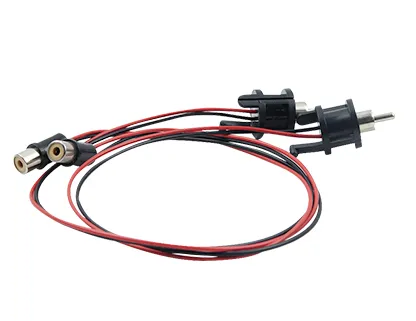
Cable & Connector Overmolding
Cable assemblies - USB, audio, network, and power connectors - require precise mold access for routing flexible cables. DC Series tie-bar-less vertical clamping machines provide an open working area from three sides, supporting manual cable positioning for overmolding.
DC Series tie-bar-less vertical machines are commonly reviewed when open working area helps cable routing and terminal loading. DA Series may also be considered depending on cable type and mold design.
Application Overview
Cable and connector overmolding with tie-bar-less vertical machines
The process
An operator places a pre-assembled cable and connector into the lower mold, routing the cable through the mold channel. The vertical clamp closes, and plastic or TPU is injected around the connection point, forming a strain relief, insulation boot, or connector housing. After cooling, the finished cable assembly is ejected.
The key requirement is mold access - cables can be long, flexible, and awkward to position. Tie-bar-less DC Series machines provide open access from three sides, letting the operator route the cable naturally without kinking or misplacement.
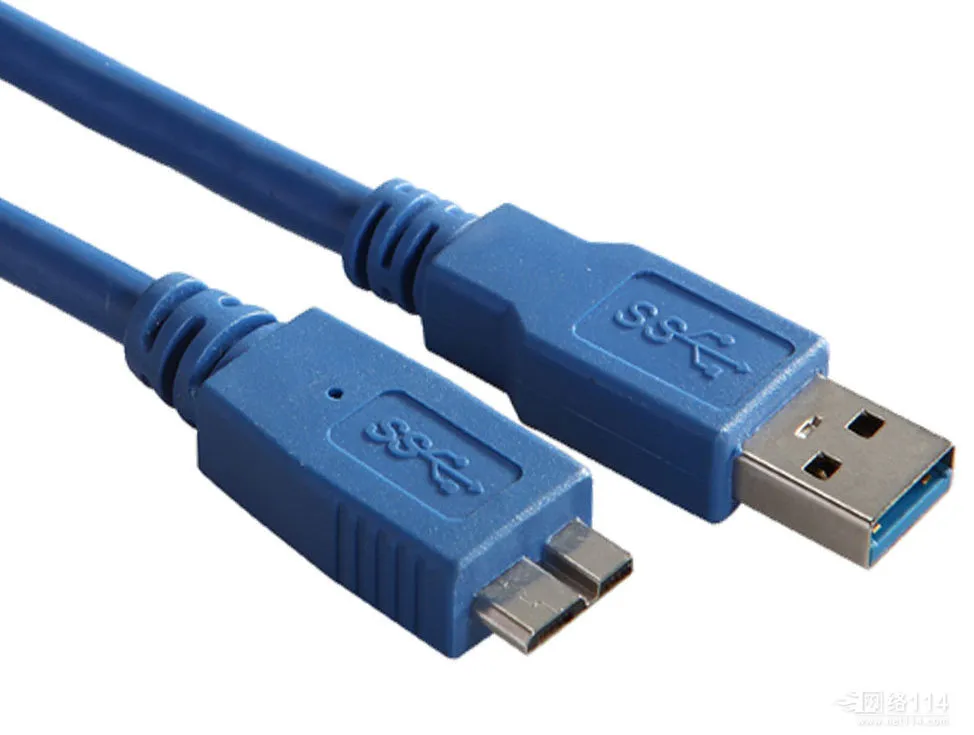
Why tie-bar-less matters for cable overmolding
Standard injection machines have four tie-bars that restrict mold access. DC Series removes the front tie-bars - critical for cable work because:
- Cables can be fed into the mold area from multiple directions, not just front-on
- Long cable assemblies don't need to be coiled or bent sharply to fit into the mold
- The operator can see and confirm terminal positioning from multiple angles before closing
- Multi-cavity cable molds have room for routing multiple cable assemblies simultaneously
Common Challenges
Production challenges in cable overmolding
Cable handling, terminal positioning, and mold access define the production challenge - the right machine configuration addresses all three.
Open working area requirements
Cable overmolding needs unobstructed mold access. Four tie-bars create a confined workspace - DC Series removes the front tie-bars, providing an open working area that lets operators route cables naturally and confirm positioning before clamping.
Terminal and wire placement
Metal terminals on the cable end must be precisely positioned in the mold cavity. Vertical clamping holds them by gravity - critical when the cable's weight could pull connectors out of position in a horizontal machine.
Flexible cable handling efficiency
Cables are flexible and unpredictable - they don't behave like rigid inserts. The open DC Series mold area lets operators handle cables with natural motions. Rotary tables can be configured for multi-station cable loading when production volume justifies it.
Configuration Review
Recommended machine configuration for cable overmolding
Starting points - final selection depends on cable type, connector design, mold layout, and production volume.
Machine series
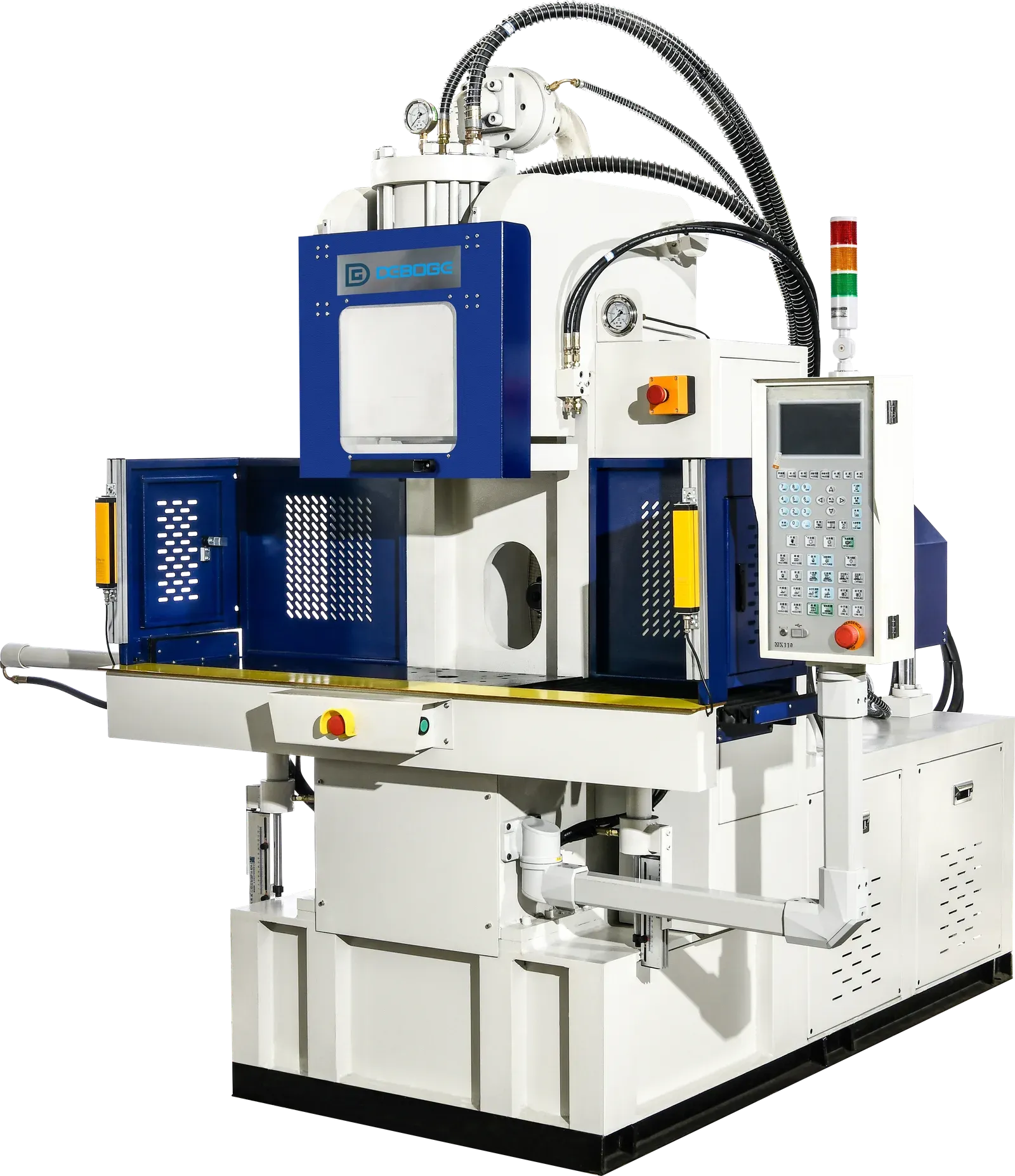
DC Series
Tie-bar-less vertical clamping. No front tie-bars - open access from three sides for cable routing and terminal loading. 45T-120T. Commonly preferred for cable overmolding.
View DC Series →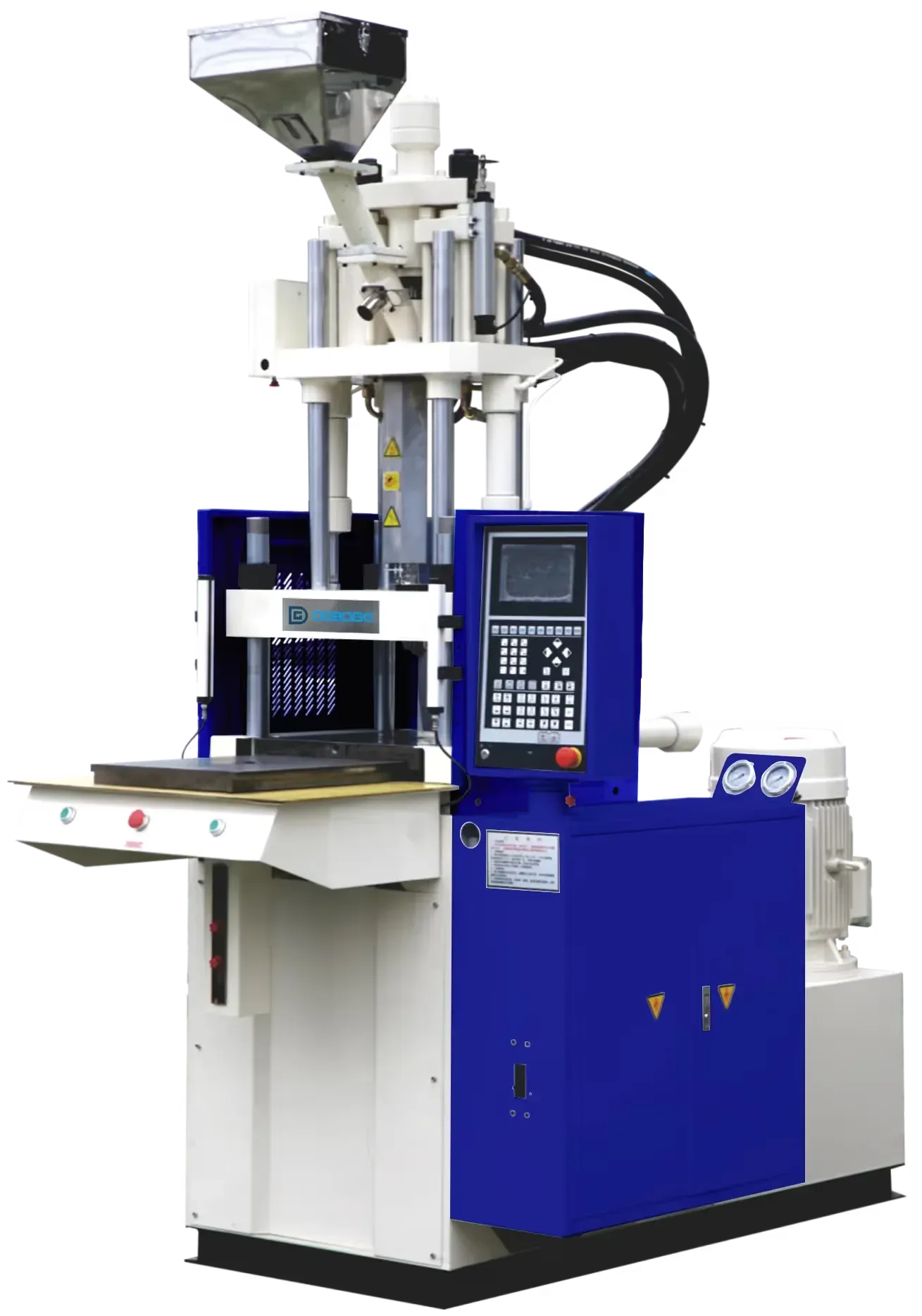
Machine series
DA Series
Standard vertical clamping + vertical injection. May be considered for simpler cable overmolding applications. 15T-800T.
View DA Series →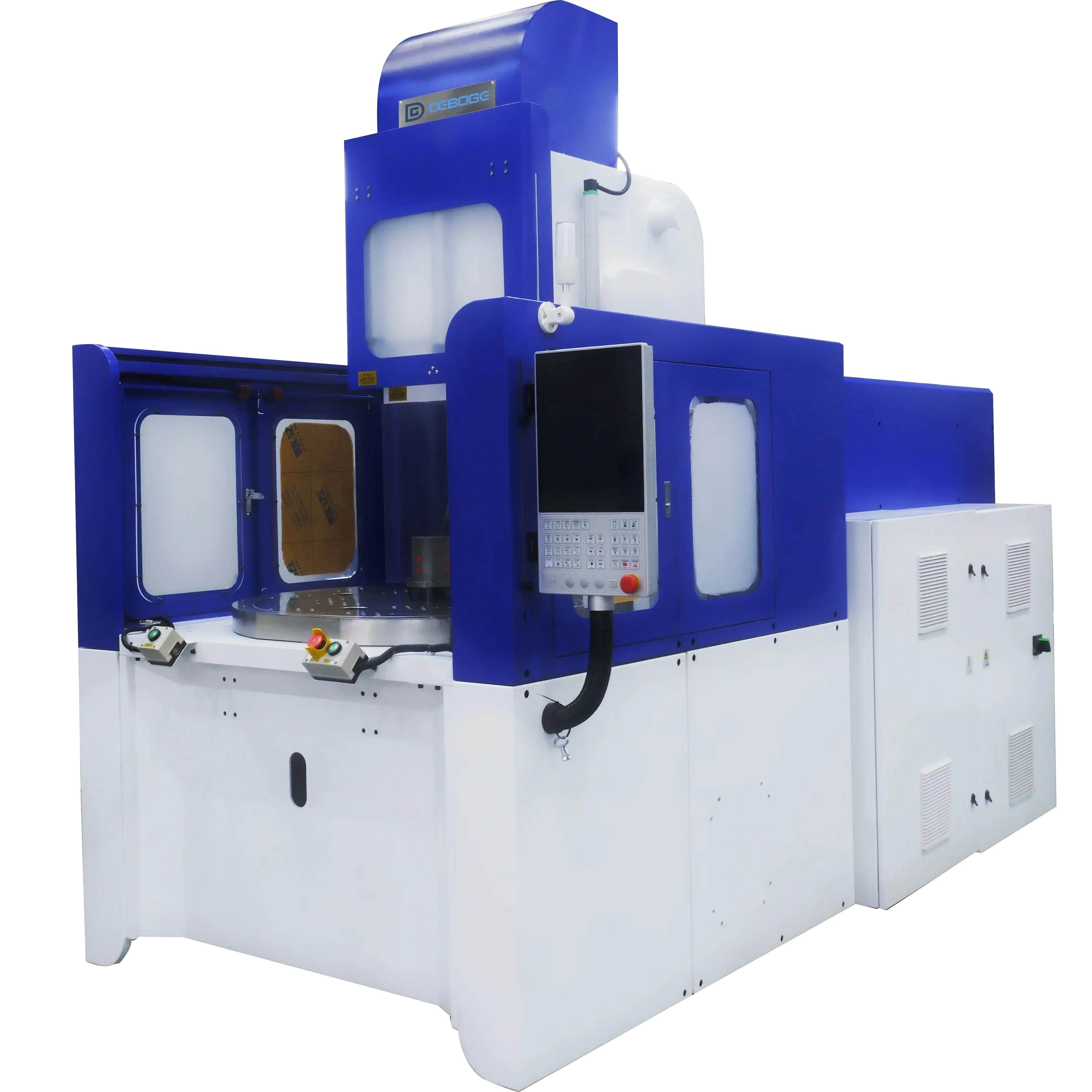
Table configuration
Tie-bar-less (open access)
The DC Series design itself provides the key advantage - open mold access without front tie-bars. Preferred for manual cable routing and terminal positioning.
View DC Series →Machine size must be confirmed from project data - Review projected mold area, cavity count, material, cable routing, and connector geometry before selecting tonnage.
Materials
Typical materials for cable overmolding
Material selection balances flexibility, durability, electrical insulation, and processing - the overmold material must bond well to the cable jacket.
PVC (Polyvinyl Chloride)
Common for general-purpose cable jackets, strain reliefs, and connector boots. Cost-effective, good electrical insulation. Flexible grades available for different cable applications.
TPU (Thermoplastic Polyurethane)
Often selected for cable jacket and strain relief applications that need abrasion resistance, flexibility, and durability. Material grade and bonding behavior should be checked for the cable structure.
TPE (Thermoplastic Elastomer)
Soft-touch feel for consumer cable connectors. Good flexibility and grip. Bonds well to PVC and PP cable jackets. Common for headphone and USB cable overmolds.
PP (Polypropylene)
Cost-effective for simple connector housings and protective shells. Good chemical resistance. Used where rigidity is more important than flexibility.
PA (Nylon)
For structural connector bodies and industrial cable assemblies. Good mechanical strength and heat resistance. Glass-fiber-reinforced grades available for higher stiffness.
LSR / Silicone
May be reviewed for cable overmolds that require flexible silicone behavior or elevated-temperature use. Requires specialized LSR feeding and barrel system, plus application review.
Products
Typical cable overmolded products
From consumer electronics to industrial power - these product categories represent common cable and connector overmolding applications.
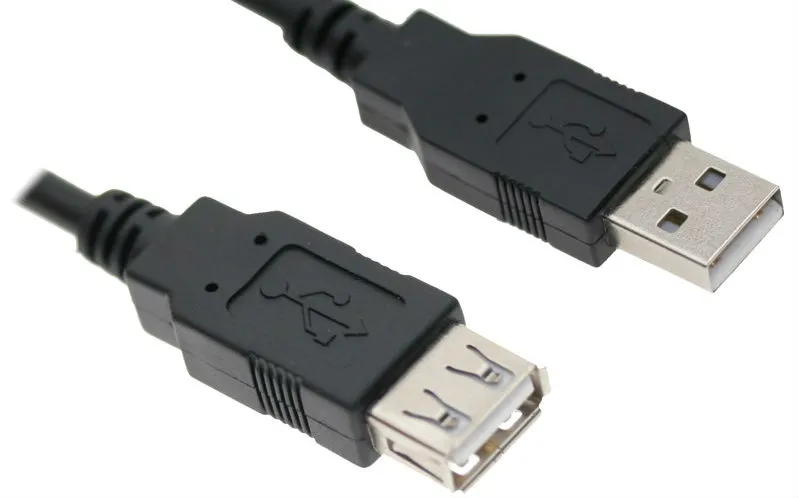
USB & data cables
USB-A, USB-C, Micro USB connectors with molded strain reliefs and connector housings.
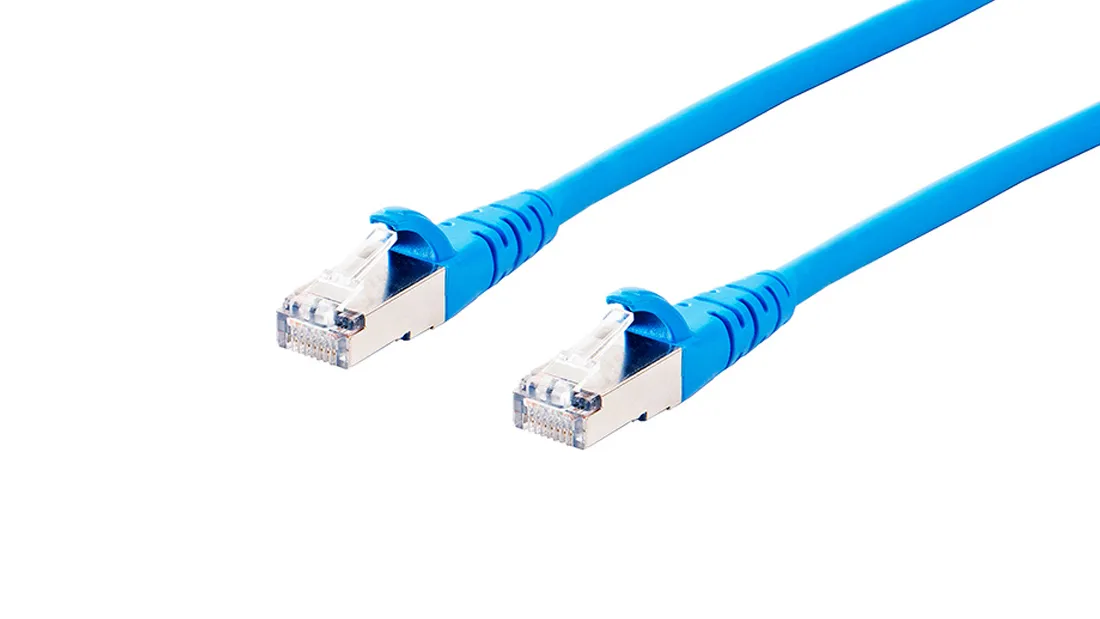
Network & telecom connectors
RJ45, fiber optic, and telecom cable connectors with protective overmolded boots.
High-speed & specialty cables
HDMI, DisplayPort, and specialty data cables with precision overmolded connector bodies.
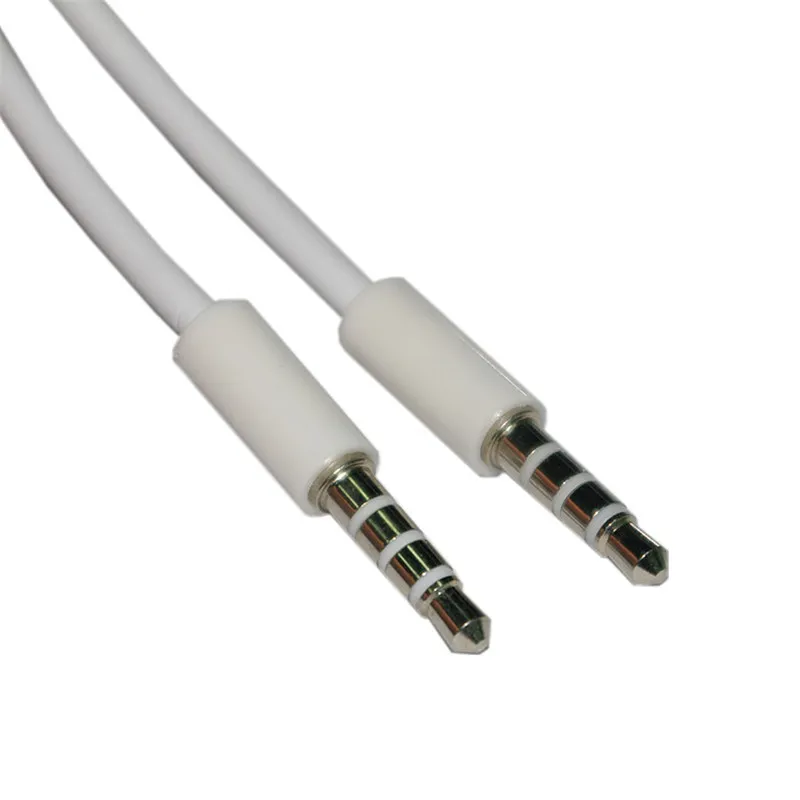
Audio & headphone connectors
3.5mm audio jacks, headphone connectors, and audio cable assemblies with molded strain reliefs.
Related Machines and Resources
FAQ
Cable & connector overmolding - frequently asked questions
Why is a tie-bar-less machine preferred for cable and connector overmolding?
Which machine series is commonly reviewed for cable overmolding?
How should machine size be reviewed for cable connector molding?
What types of cables and connectors can be overmolded?
What materials are commonly used for cable overmolding?
What table configuration works for cable overmolding?
How do I discuss machine configuration for cable overmolding?
Tell us about your cable overmolding application
Discuss machine configuration for cable production
Send your cable type, connector specifications, material, mold dimensions, and production volume. The engineering team can review the project data and discuss machine series and configuration direction.