
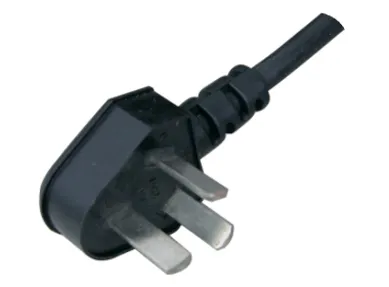
Power Plug & Cord Molding
Power plugs combine metal prongs, internal terminals, and flexible cords - all of which must be precisely positioned before plastic is injected around them. Vertical clamping holds metal components in place by gravity during mold closing.
DC Series tie-bar-less vertical machines are commonly reviewed when open working area helps wire and terminal loading. DA Series may also be considered depending on plug design and mold configuration.
Application Overview
Power plug and cord molding with vertical clamping machines
The process
Metal prongs and internal terminals are placed into the lower mold. The cord is routed through the mold channel. The vertical clamp closes from above, holding everything in position. Plastic is injected around the metal components, forming the plug body, and after cooling the finished power cord assembly is ejected.
This requires open mold access - the DC Series tie-bar-less design removes front tie-bars, letting the operator place metal prongs, route the cord, and confirm positioning from multiple angles before the mold closes.
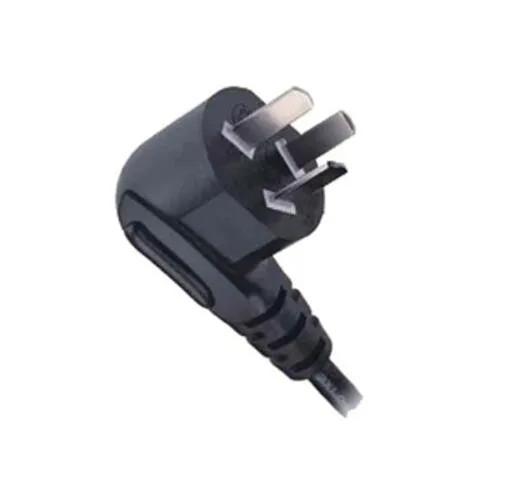
Why vertical clamping and open access matter
Power plug molding involves multiple components loaded into each cavity - prongs, terminals, and cord. Vertical clamping provides natural gravity retention while the tie-bar-less design provides:
- Unobstructed access from three sides for routing cords of any length
- Operator can confirm metal prong alignment before closing the mold
- Multi-cavity molds with space for routing multiple cord assemblies
- Gravity holds heavy-gauge industrial plugs and cord sets in position
Common Challenges
Production challenges in power plug molding
Metal prong positioning, wire handling, and mold access determine production quality and efficiency in power plug manufacturing.
Open working area for wire handling
Power cords are stiff and heavy compared to data cables - they need even more mold access. DC Series removes front tie-bars for unobstructed access. The operator routes the cord and positions terminals without fighting the machine structure.
Metal prong and insert positioning
Power plug prongs must stay perpendicular and properly spaced during injection. A shifted prong means a rejected plug or electrical safety issue. Vertical clamping holds prongs by gravity; the operator can verify positioning through the open DC Series mold area.
Configuration selection by plug design
Plug type, prong count, cord gauge, and production volume all affect the right machine choice. Standard household plugs may run efficiently on a simple setup; industrial connectors with heavy-gauge wire may need different tonnage and table configuration.
Configuration Review
Recommended machine configuration for power plug molding
Starting points - final selection depends on plug design, prong type, cord gauge, mold layout, and production volume.
Machine series
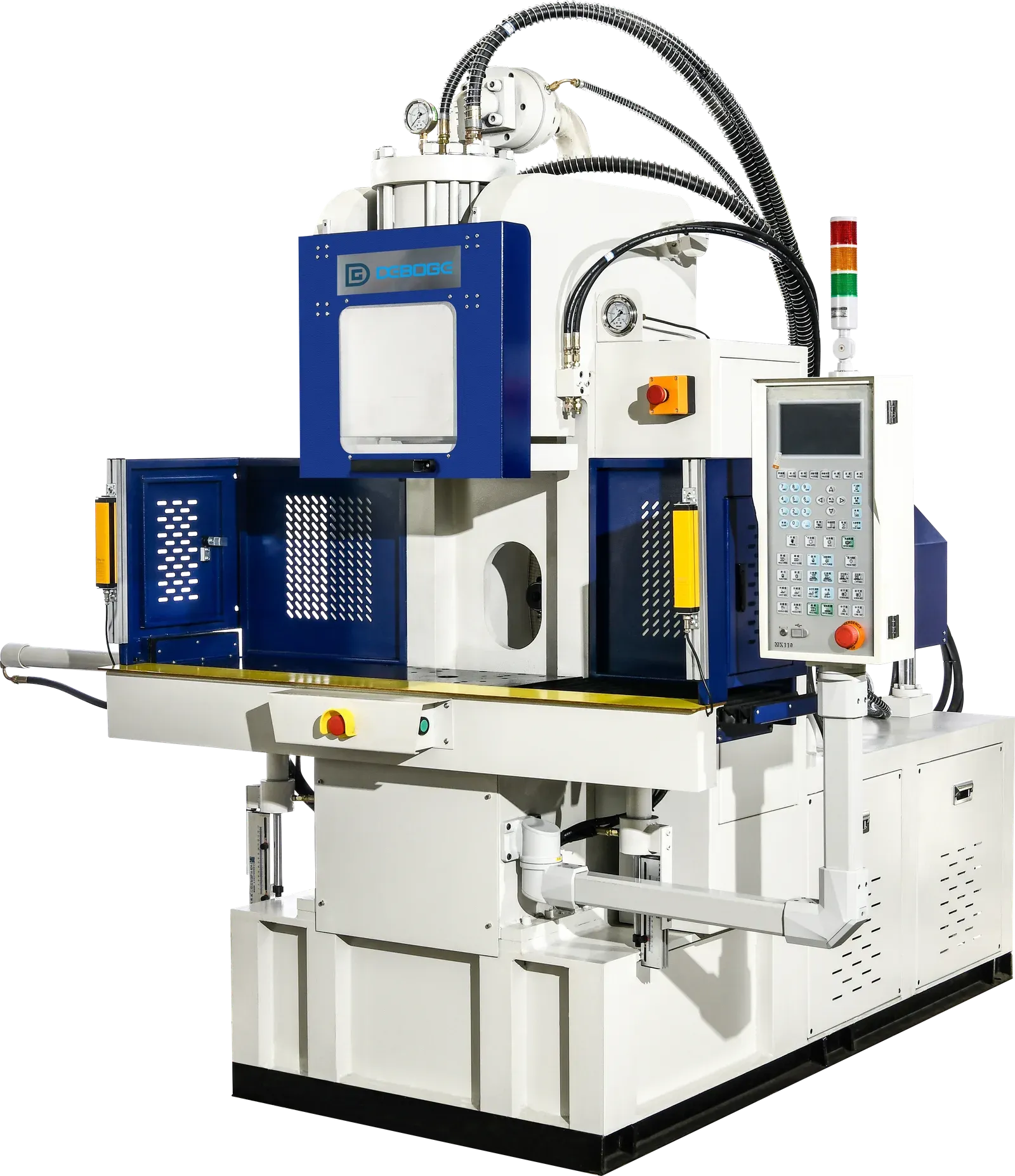
DC Series
Tie-bar-less vertical clamping. No front tie-bars - open access for wire routing and prong loading. 45T-120T. Commonly preferred for power plug and cord molding.
View DC Series →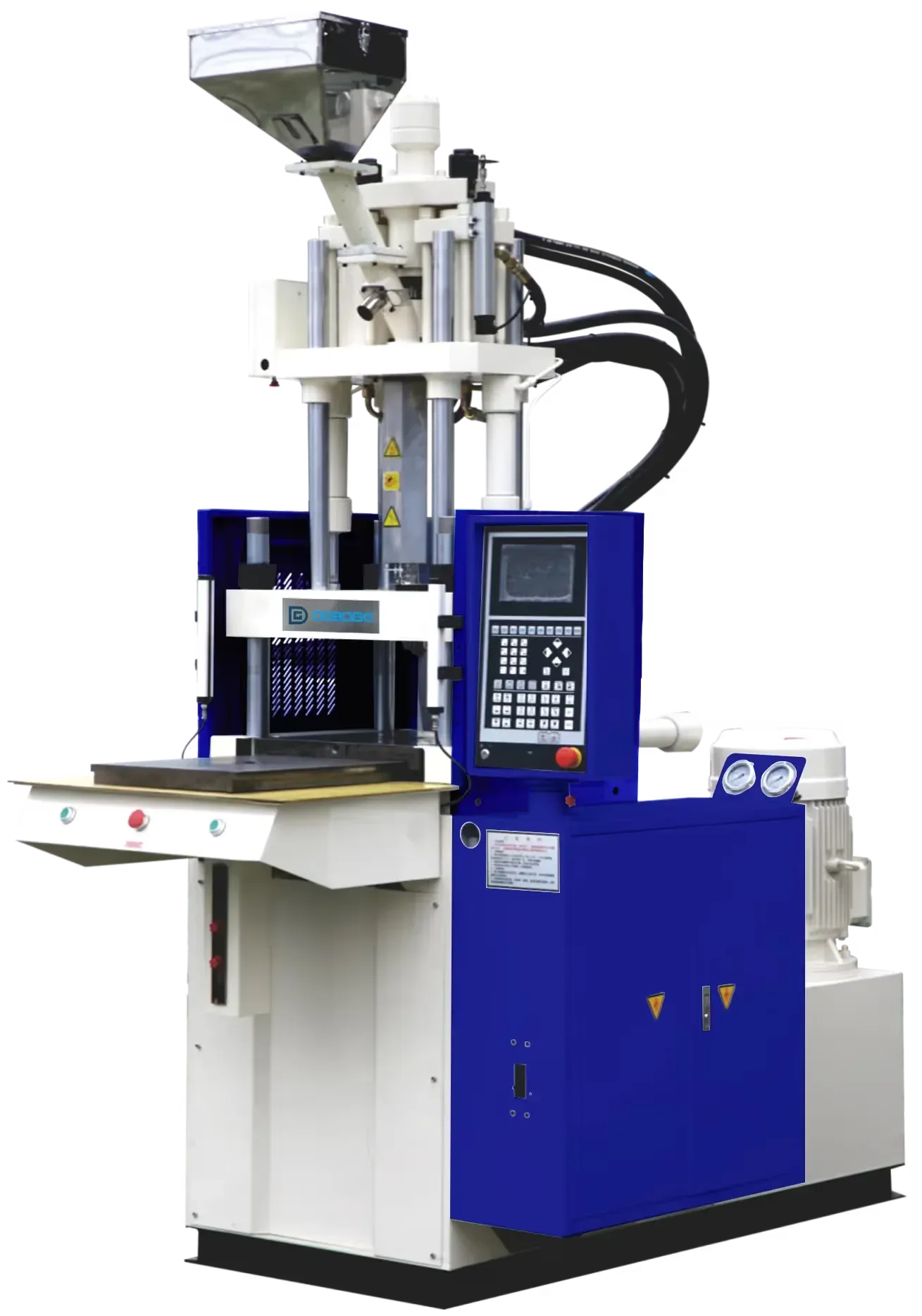
Machine series
DA Series
Standard vertical clamping + vertical injection. May be considered for power plug molding depending on product and mold design. 15T-800T.
View DA Series →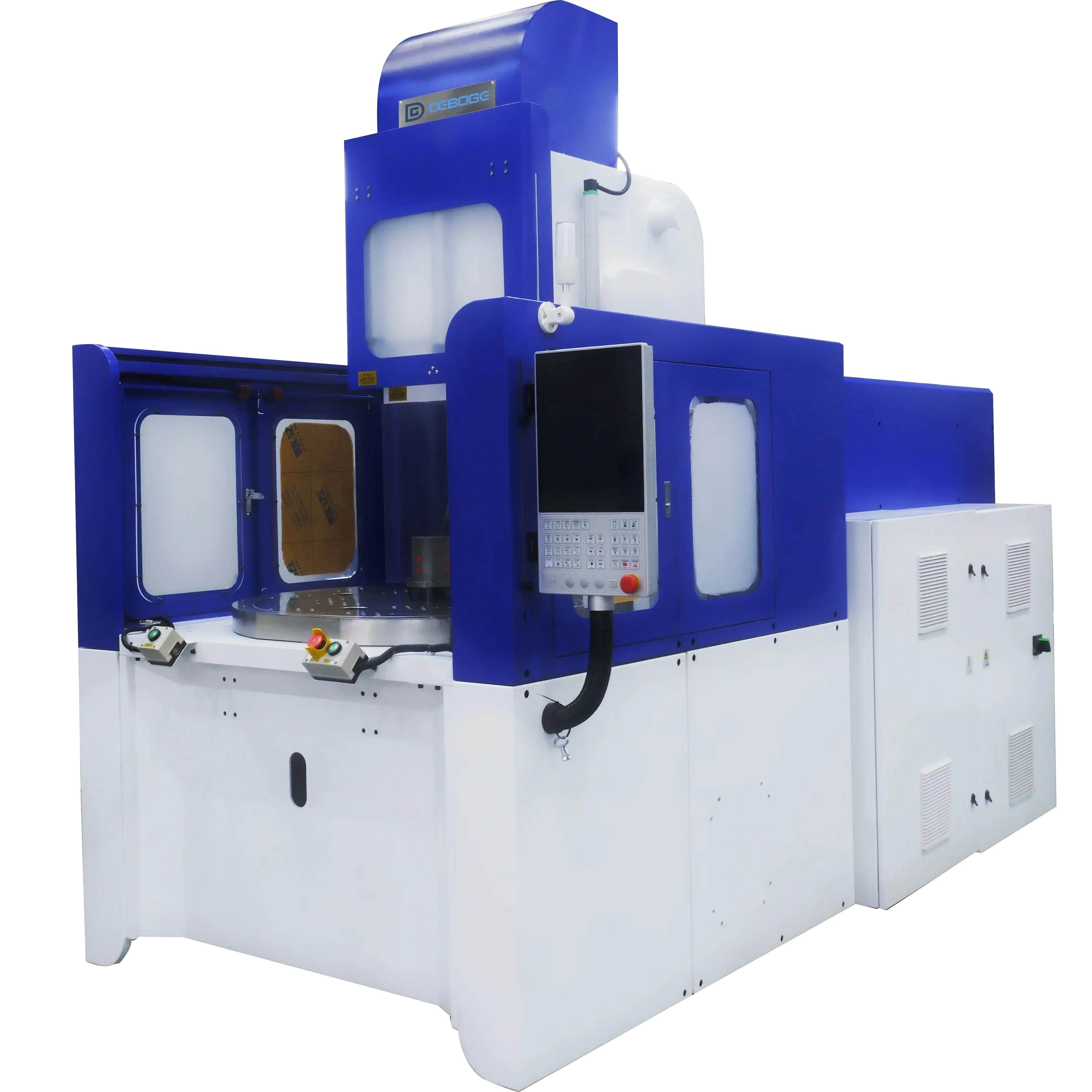
Table configuration
Tie-bar-less (open access)
The DC Series design provides the key advantage - unobstructed mold access for wire and prong loading. Commonly preferred for power plug production.
View DC Series →Machine size must be confirmed from project data - Review projected mold area, cavity count, material, plug size, cord gauge, and terminal layout before selecting tonnage.
Materials
Typical materials for power plug molding
Material selection depends on electrical safety requirements, heat resistance, mechanical durability, and end-use environment.
PVC
Common for general-purpose plug bodies and cord jackets. Electrical insulation and flame-retardant behavior must be selected and documented through the material grade.
PA66 (Nylon)
For industrial and heavy-duty power plugs. High mechanical strength, good heat resistance. Glass-fiber-reinforced grades for demanding environments.
PP (Polypropylene)
May be considered for selected household plug bodies when the material grade, electrical insulation requirement, heat behavior, and product standards are suitable.
PBT
For plugs in higher-temperature environments. Good dimensional stability, low moisture absorption. Common for industrial and outdoor power connectors.
TPU / TPE
For flexible cord strain reliefs and connector boots. Provides mechanical protection where the cord meets the plug body. Good flexibility and durability.
PC (Polycarbonate)
For transparent or high-impact plug bodies. Good electrical insulation and heat resistance. Common for specialty and industrial connectors.
Products
Typical power plug molded products
From household to industrial - these product categories represent common power plug and cord molding applications on vertical machines.
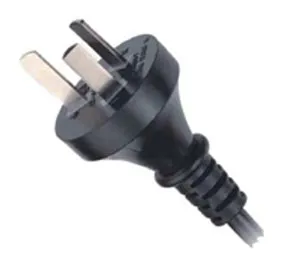
Household power plugs
Standard two-prong and three-prong plugs for domestic power cords and extension leads.
Cord connectors & couplers
In-line cord connectors, appliance couplers, and extension cord ends with molded housings.
Multi-outlet assemblies
Power strips, multi-plug adapters, and distribution blocks with molded-in metal contacts.
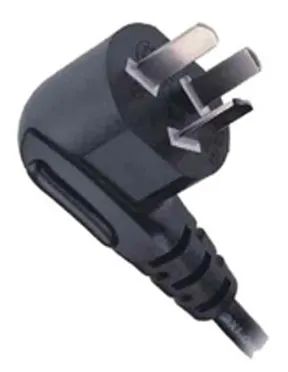
Industrial & heavy-duty connectors
High-amperage industrial plugs and connectors with reinforced housings for demanding environments.
Related Machines and Resources
FAQ
Power plug & cord molding - frequently asked questions
Why is a vertical clamping machine used for power plug molding?
Which machine series is recommended for power plug production?
How should machine size be reviewed for power plug molding?
What types of power plugs can be molded?
What materials are used for power plug molding?
Can different plug standards be reviewed?
How do I discuss machine configuration for power plug molding?
Tell us about your power plug molding application
Discuss machine configuration for power plug production
Send your plug design, prong and terminal specifications, cord type, material, mold dimensions, and production volume. The engineering team can review the project data and discuss a suitable configuration path.