
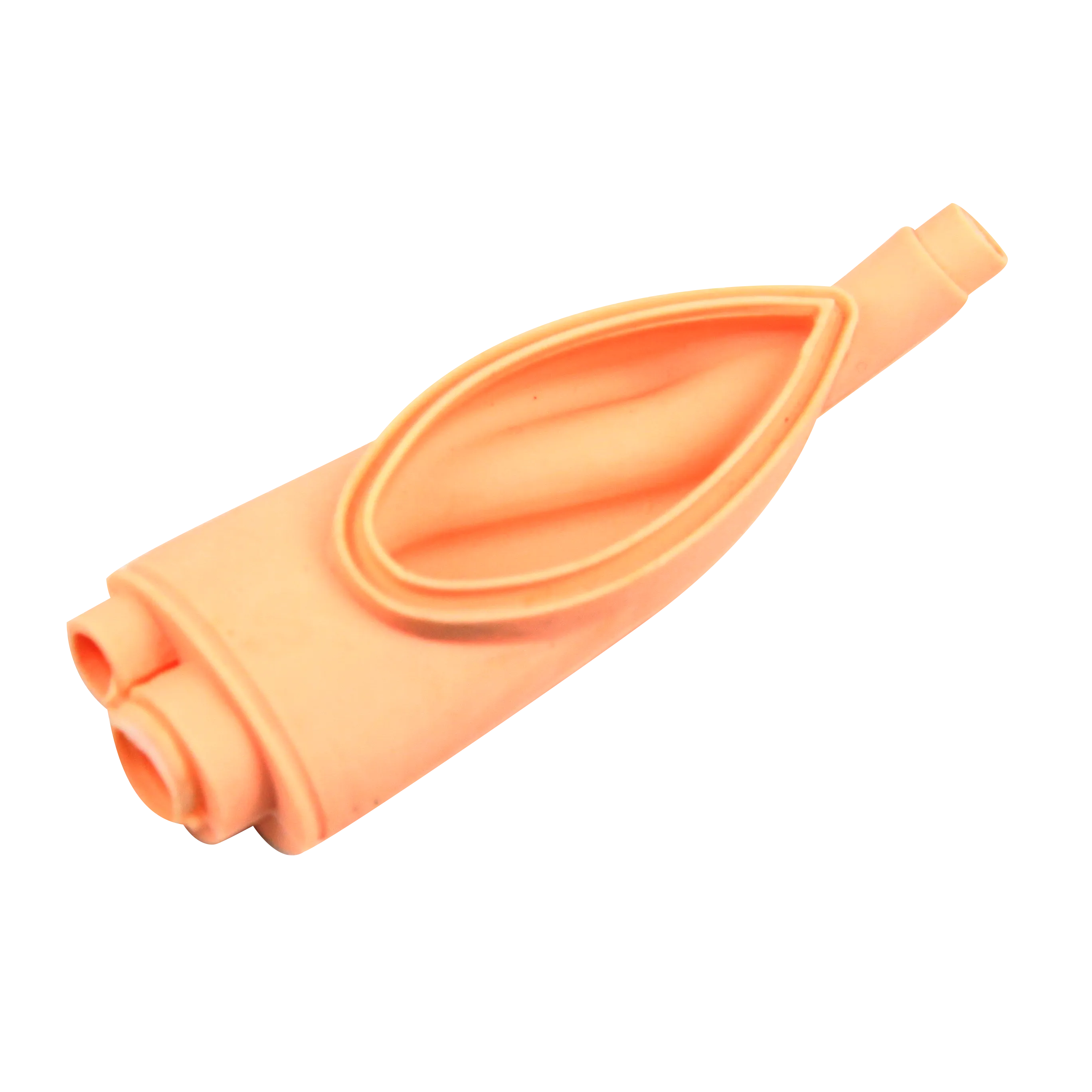
Medical Components
Selected medical device components require insert molding, stable clamping, and consistent process control. Vertical injection molding machines can support these requirements - each application must be evaluated individually for material, mold, and production environment suitability.
DA and DC Series vertical machines can be reviewed for selected medical component applications. Rotary or slide table configuration depends on part geometry and production workflow. Not all applications are suitable; each requires individual technical review.
Application Overview
Medical component molding with vertical injection machines
The process
An operator loads inserts - metal contacts, needle cannulas, or molded sub-components - into the lower mold. The vertical clamp closes from above, holding inserts in position. Plastic is injected around the inserts, and after cooling, the finished component is ejected.
Each medical application requires individual evaluation. Factors include material selection, insert type and positioning requirements, mold design, production environment, and any regulatory considerations specific to the component's intended use.
Key considerations for medical component molding
Medical device components present unique production requirements beyond standard insert molding. Manufacturers evaluating vertical molding for medical applications typically consider:
- Material traceability - consistent lot-to-lot material properties and documented resin sourcing may be important for medical device manufacturers.
- Process consistency - repeatable injection parameters, clamping force, and cycle times support consistent part quality across production runs.
- Clean manufacturing - production environment considerations may influence machine selection. These machines are industrial equipment; suitability for specific clean manufacturing environments requires individual review.
- Insert positioning - delicate medical inserts such as needles, electrodes, and micro-components require precise, repeatable placement. Vertical clamping uses gravity for natural retention during mold closing.
Common Challenges
Production considerations for medical component molding
Medical device manufacturers face specific challenges around application suitability, insert handling, and equipment capability assessment - each deserves careful technical evaluation.
Application suitability assessment
Not every medical component suits vertical molding. Part geometry, insert type, material requirements, and production environment all affect whether vertical injection molding is the appropriate process. Deboge reviews each application individually - there is no general presumption of suitability for medical use.
Insert loading and stable clamping
Medical parts may contain delicate inserts - needles, electrodes, micro-tubing - requiring precise positioning. Vertical clamping holds inserts in place by gravity during mold closing. DC Series tie-bar-less design provides open access for careful manual placement of small or fragile medical inserts.
Avoiding unsupported claims
Deboge does not claim medical certification or regulatory compliance unless specifically verified for a given application and machine configuration. Machine recommendations are based on technical requirements only - part dimensions, insert type, material, mold design, and production volume. Manufacturers are responsible for their own regulatory compliance.
Configuration Review
Machine configurations that may be considered for medical components
Starting points for technical evaluation - final selection depends on part dimensions, insert type, material, mold design, production environment, and regulatory requirements. Each application requires individual review.
Machine series
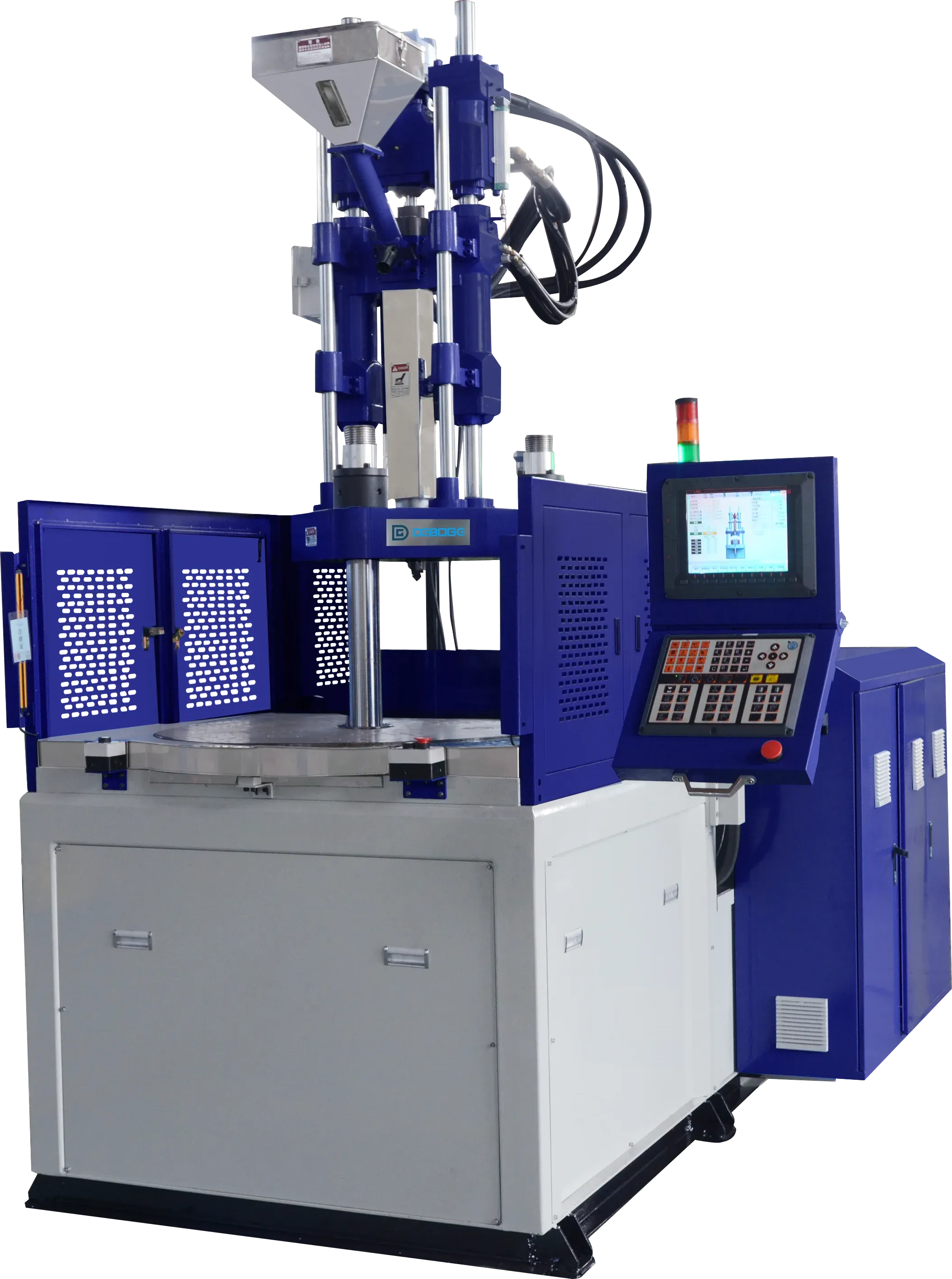
DA Series
Standard vertical clamping + vertical injection. May be suitable for selected medical components - diagnostic housings, fluid-handling parts, and general insert-molded medical devices. Fixed, slide, or rotary table. 15T-800T. Suitability must be evaluated per application.
View DA Series →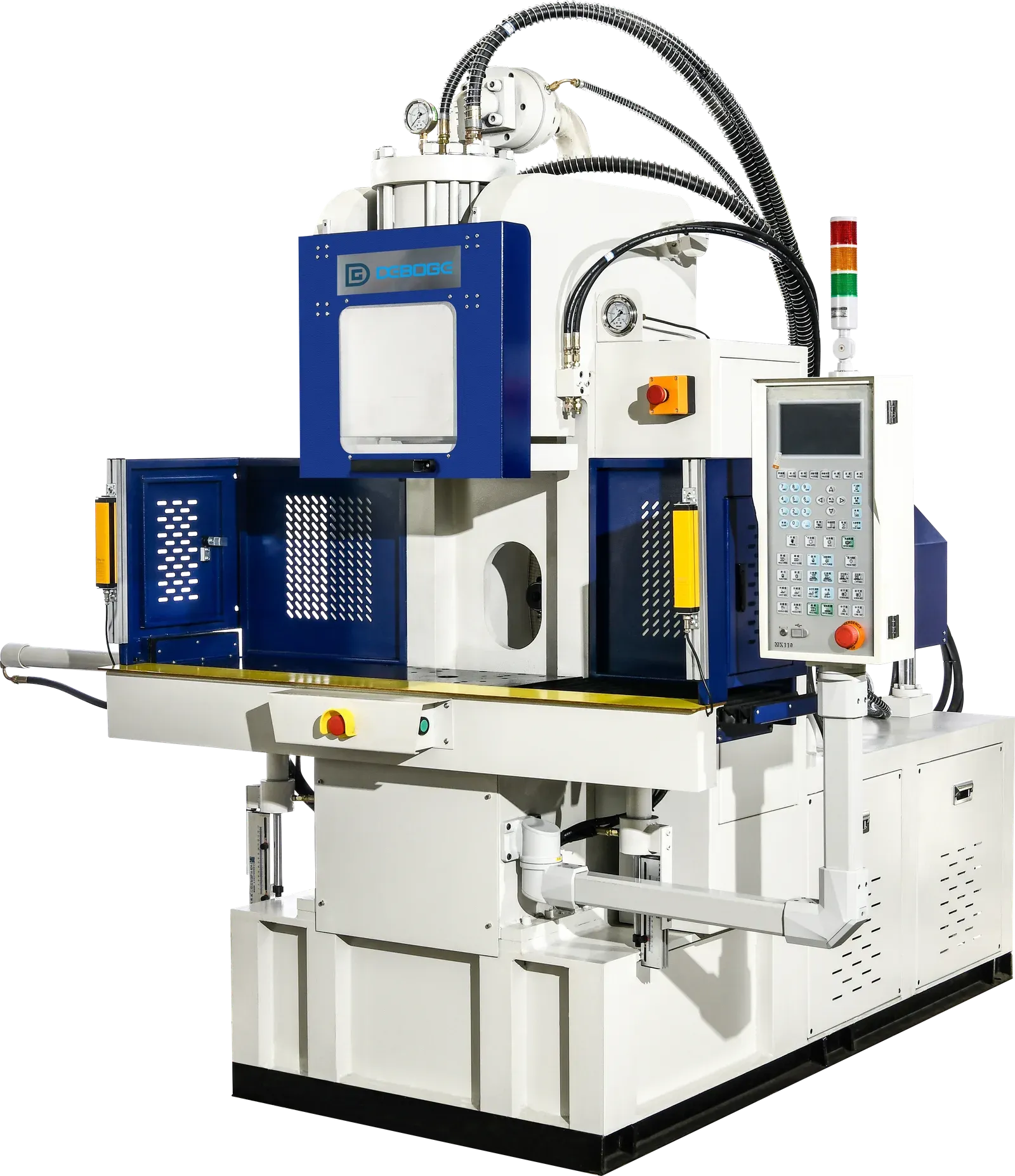
Machine series
DC Series
Tie-bar-less vertical clamping. No front tie-bars - open access for delicate insert loading. May be considered where operators need unobstructed mold access for small or fragile medical inserts. 45T-120T. Individual application review required.
View DC Series →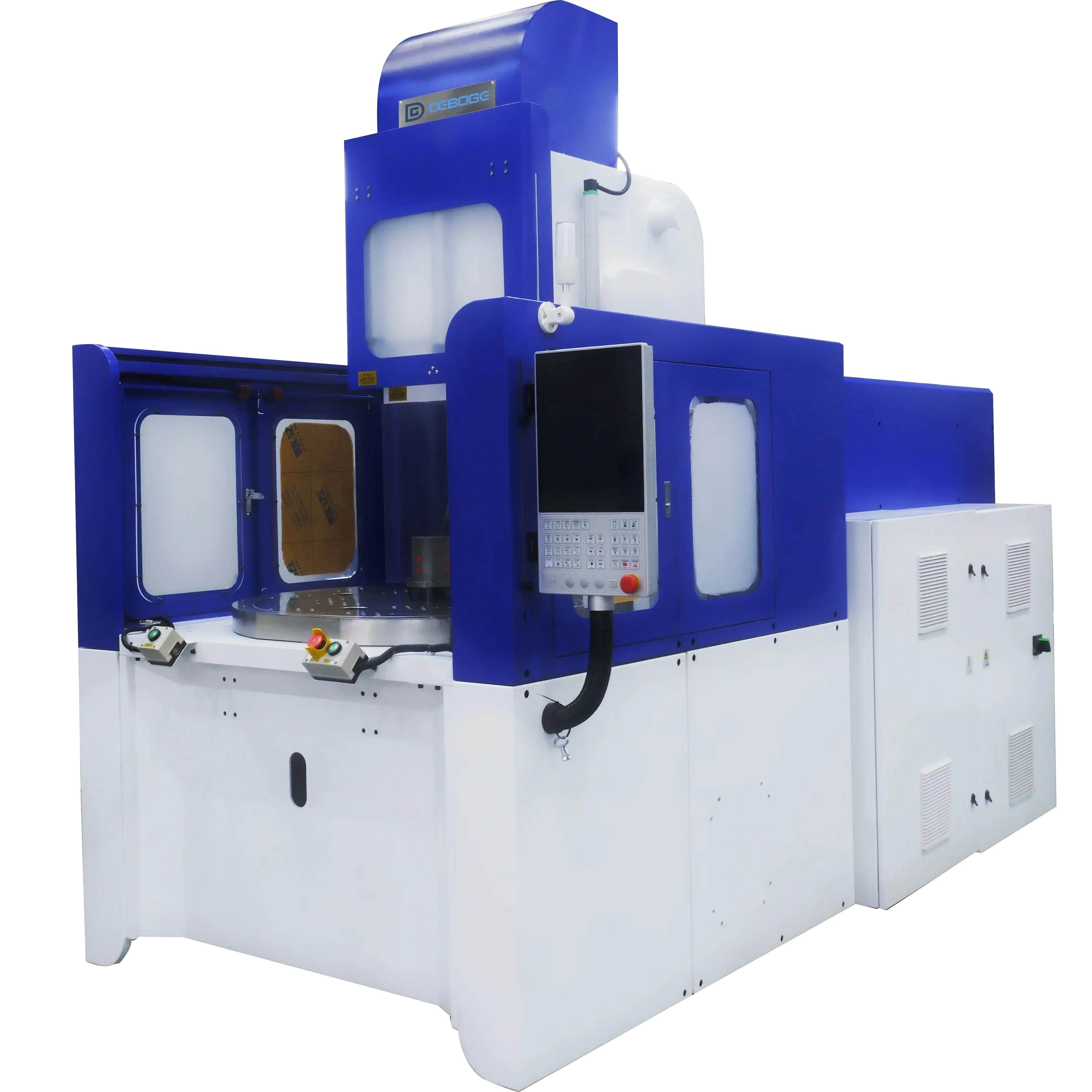
Table configuration
Rotary table
Multi-station rotating table. May support consistent workflow - load inserts at a dedicated station while another molds, reducing operator variation between cycles. Suitability depends on part geometry and production workflow.
View Rotary Table Machines →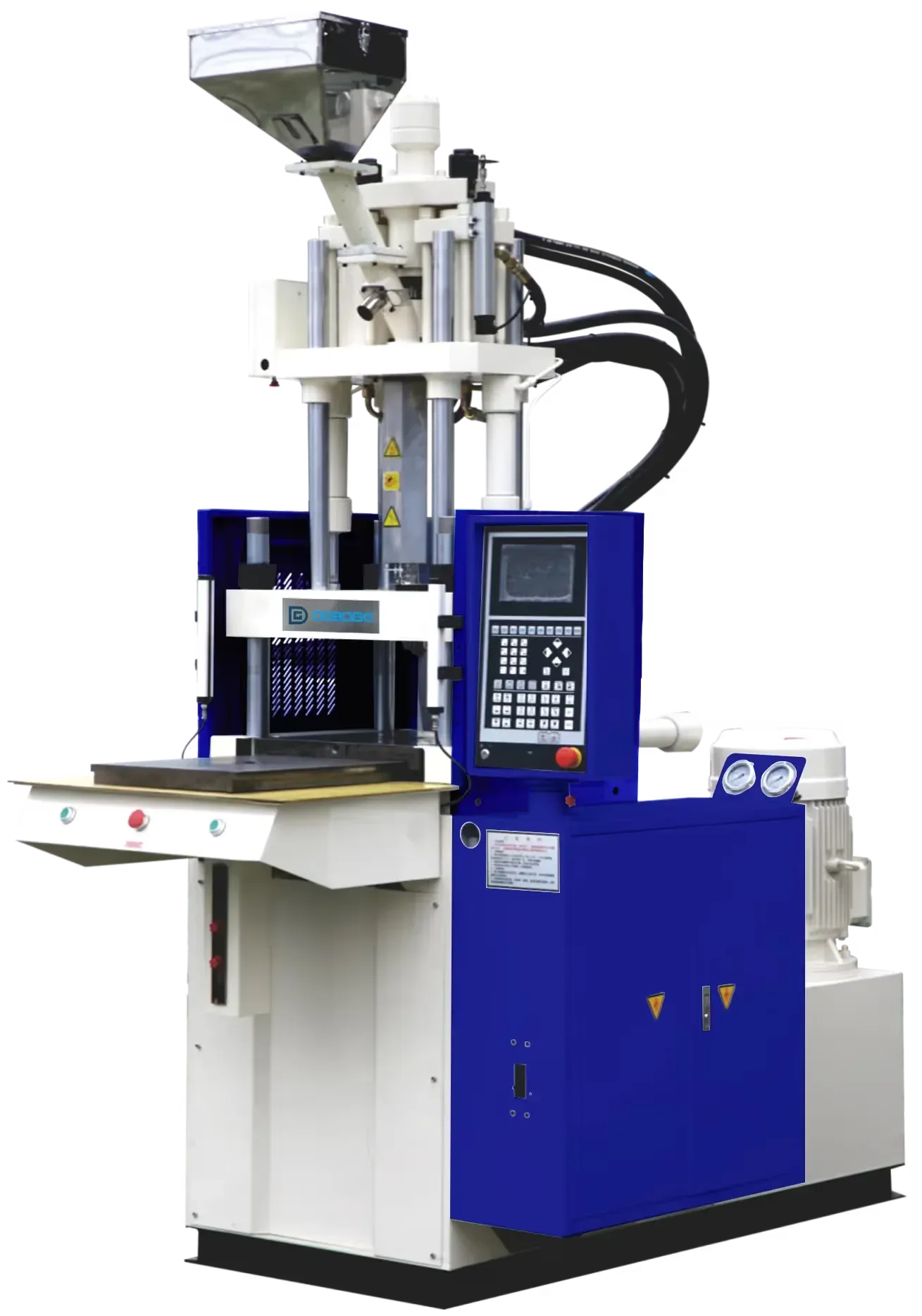
Table configuration
Slide table
Lower mold slides out for accessible loading. May be suitable for larger medical components or applications requiring careful multi-insert placement. Individual application review needed.
View Slide Table Machines →Machine size must be confirmed from project data - Review projected mold area, cavity count, material, insert complexity, and mold design. Final tonnage must be evaluated per application.
Materials
Materials that may be considered for medical component molding
Material selection depends on the component's functional requirements - mechanical properties, chemical resistance, sterilization compatibility, and any regulatory considerations. Each material-application combination requires individual evaluation.
PP (Polypropylene)
Common in diagnostic devices, specimen containers, and fluid-handling components. Good chemical resistance, autoclave-compatible grades available. Widely used in laboratory and diagnostic consumables.
PE (Polyethylene)
Used in collection devices, caps, closures, and fluid-path components. Good flexibility and chemical resistance. HDPE for structural components, LDPE for flexible parts.
PC (Polycarbonate)
Transparent, high-impact strength. Used in diagnostic device housings, transparent fluid chambers, and components requiring visibility. Good dimensional stability for precise assemblies.
TPE / TPU
Flexible, soft-touch materials for grips, seals, gaskets, and overmolded soft-touch surfaces on medical device housings. May be processed via insert or overmolding - application-specific evaluation required.
Silicone (LSR)
Requires specialized barrel and screw configuration. May be considered for selected medical applications - seals, diaphragms, and flexible medical components. Individual application review is required; silicone molding suitability is not presumed.
ABS
Good impact resistance and surface finish. Used in diagnostic device enclosures, equipment housings, and non-fluid-contact medical device components. Process compatibility should be evaluated per application.
Products
Medical product categories that may involve insert molding
The following product categories may involve insert molding processes where vertical injection molding could be considered. Each product type and application requires individual technical evaluation.
Diagnostic device housings
Enclosures for diagnostic instruments and test devices with molded-in contacts, windows, or mounting features. May involve insert molding of metal contacts or transparent windows.
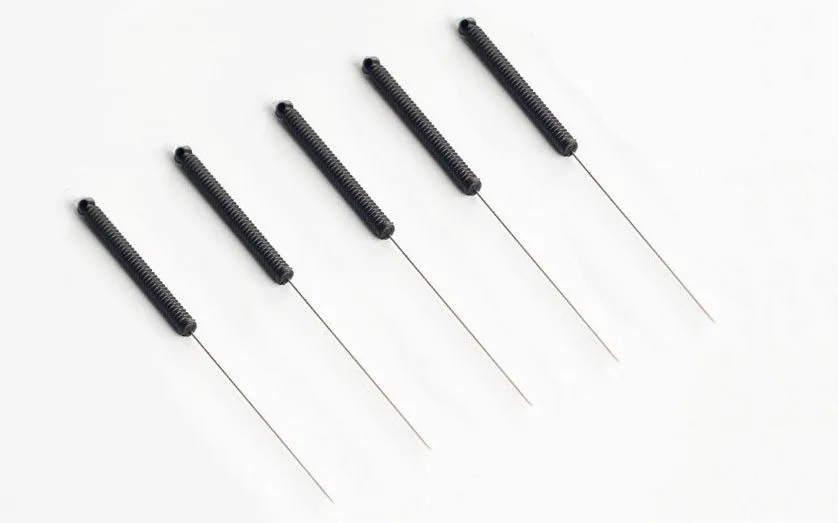
Needle & cannula components
Needle hubs, cannula overmolding, and sharp-protection components where metal needles or cannulas are insert-molded into plastic hubs. Precise insert positioning is critical.
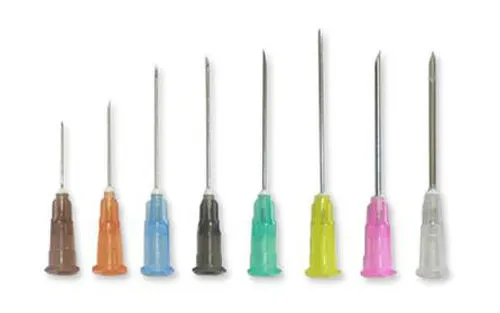
Injection & fluid-handling parts
Syringe components, fluid-path connectors, valve bodies, and dispensing tips. May involve insert molding of metal luer fittings, check valves, or fluid-channel components into plastic bodies.
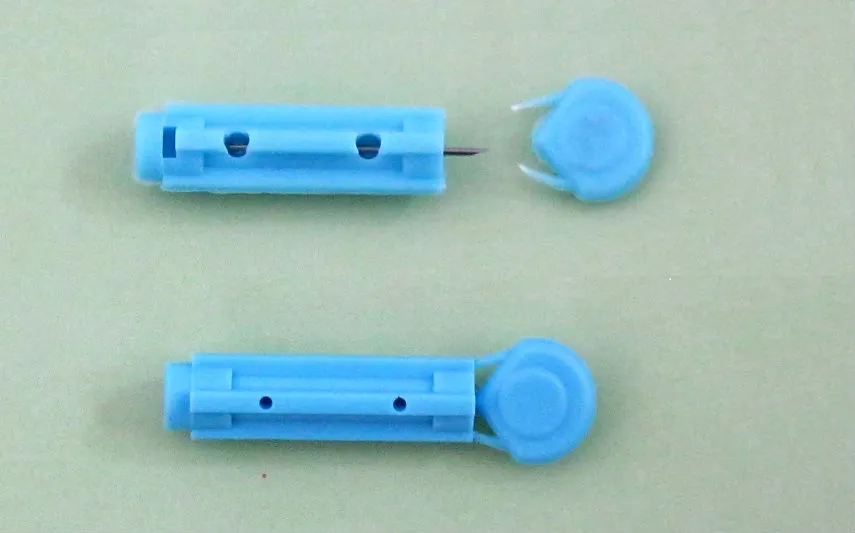
Collection & sampling devices
Specimen collection containers, sampling devices, and transport vials. May involve insert molding of filter membranes, collection pads, or attachment features into plastic bodies.
Related Machines and Resources
FAQ
Medical components - frequently asked questions
Can vertical machines be used for medical component molding?
What types of medical components may be suitable for vertical molding?
Which table configuration may be preferred for medical components?
How should machine size be reviewed for medical components?
What materials can be considered for medical component molding?
Are these machines configured specifically for medical manufacturing?
How can I get a technical evaluation for my medical component application?
Tell us about your medical component application
Request a technical review for your medical component project
Send your part design, material specification, insert details, mold dimensions, and target production volume. The engineering team can review the technical requirements and discuss whether a machine configuration may be suitable for your application.