
LSR / Silicone Molding
Liquid Silicone Rubber (LSR) and solid silicone compounds require specialized machine configuration - a dedicated feeding system, precise temperature control, and appropriate barrel and screw design for processing silicone materials that cure in a heated mold.
DA Series vertical machines can be reviewed for selected silicone projects, often with slide table handling. LSR suitability depends on material grade, part design, feed system, mold structure, and machine configuration.
Application Overview
What is LSR / silicone molding and what does it require?
The process
Liquid Silicone Rubber is a two-component system - Part A and Part B are mixed and fed into a specialized barrel. The material is injected into a heated mold where it cures (crosslinks) rapidly. Unlike thermoplastics, silicone cures irreversibly - the part cannot be re-melted once formed.
LSR processing requires a dedicated pumping and mixing system, a barrel and screw designed for low-viscosity silicone, precise temperature control, and a mold designed for silicone's high thermal expansion. These are specialized requirements beyond standard thermoplastic injection molding.
Key considerations for silicone molding
Silicone molding is fundamentally different from thermoplastic processing. Before selecting a machine, these factors require evaluation:
- Feed system - LSR requires a metered pumping and mixing unit, not a standard hopper
- Barrel and screw - designed for low-viscosity, thermally sensitive silicone
- Mold temperature control - silicone cure conditions depend on the material grade and mold design, requiring stable mold heating
- Part removal - cured silicone is flexible and may require special ejection or manual handling
Common Challenges
Production challenges in silicone molding
LSR processing presents unique challenges in material handling, cure control, and part handling compared to standard thermoplastic molding.
Material mixing and feed consistency
LSR is a two-part system - improper mixing ratio causes incomplete cure or material waste. A dedicated metering and mixing system is essential. The engineering team can discuss the appropriate feed system configuration after reviewing your LSR material specifications.
Mold design for silicone processing
Silicone has high thermal expansion - mold design must account for this. Cold-runner systems, venting for air escape, and proper gate design are critical for part quality. Mold temperature must be uniform across the cavity for consistent cure.
Part handling for flexible components
Cured silicone parts are flexible and can be difficult to eject automatically. Slide tables help operators access the mold for manual part removal. The table configuration should match the part geometry and handling method.
Configuration Review
Recommended machine configuration for silicone molding
Starting points - LSR suitability requires technical review. Not all vertical machines are configured for silicone processing. Final selection depends on material grade, part design, mold structure, and production conditions.
Machine series
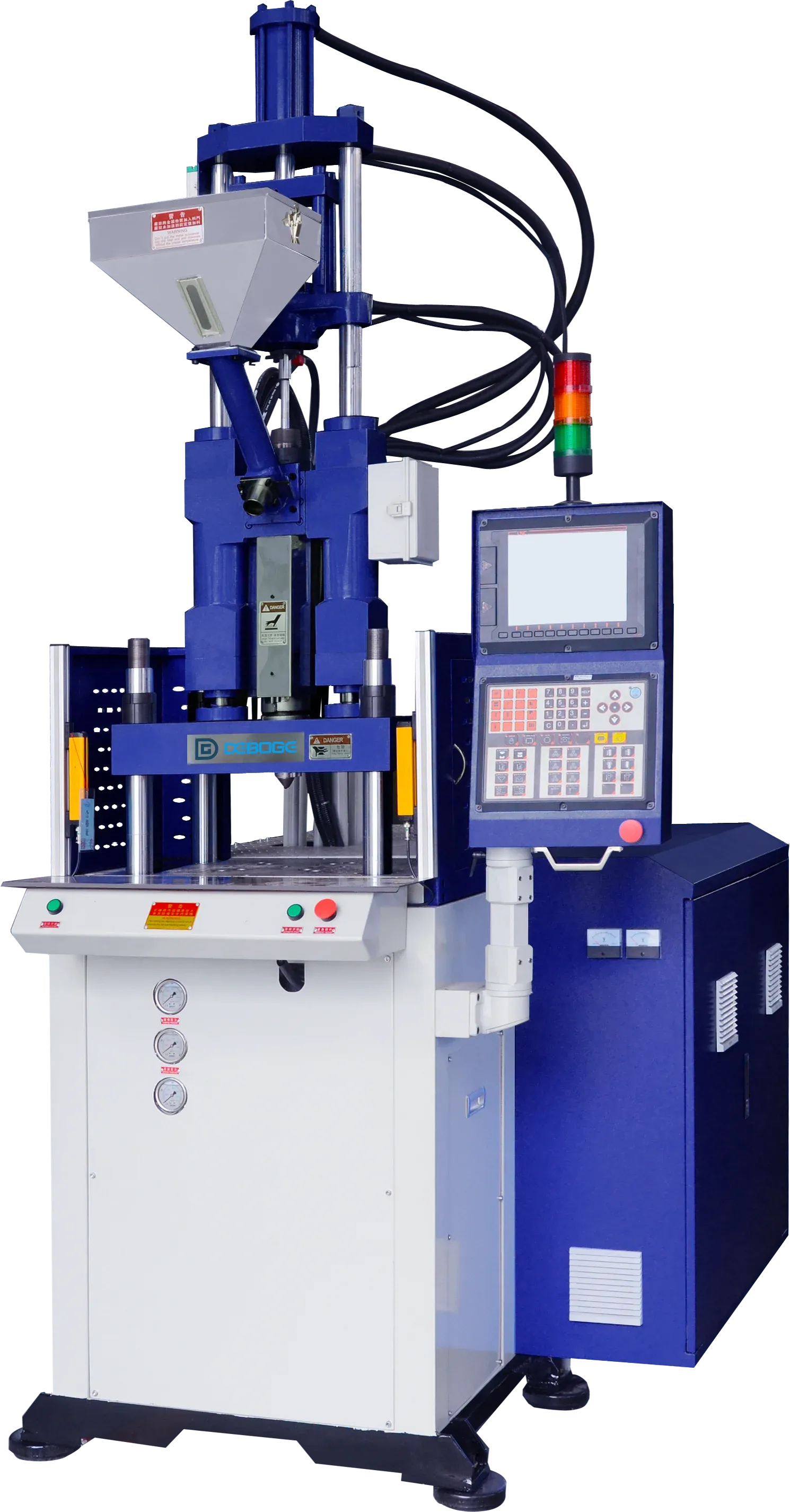
DA Series
Standard vertical clamping + vertical injection. Selected configurations may be suitable for LSR processing after technical review. 15T-800T.
View DA Series →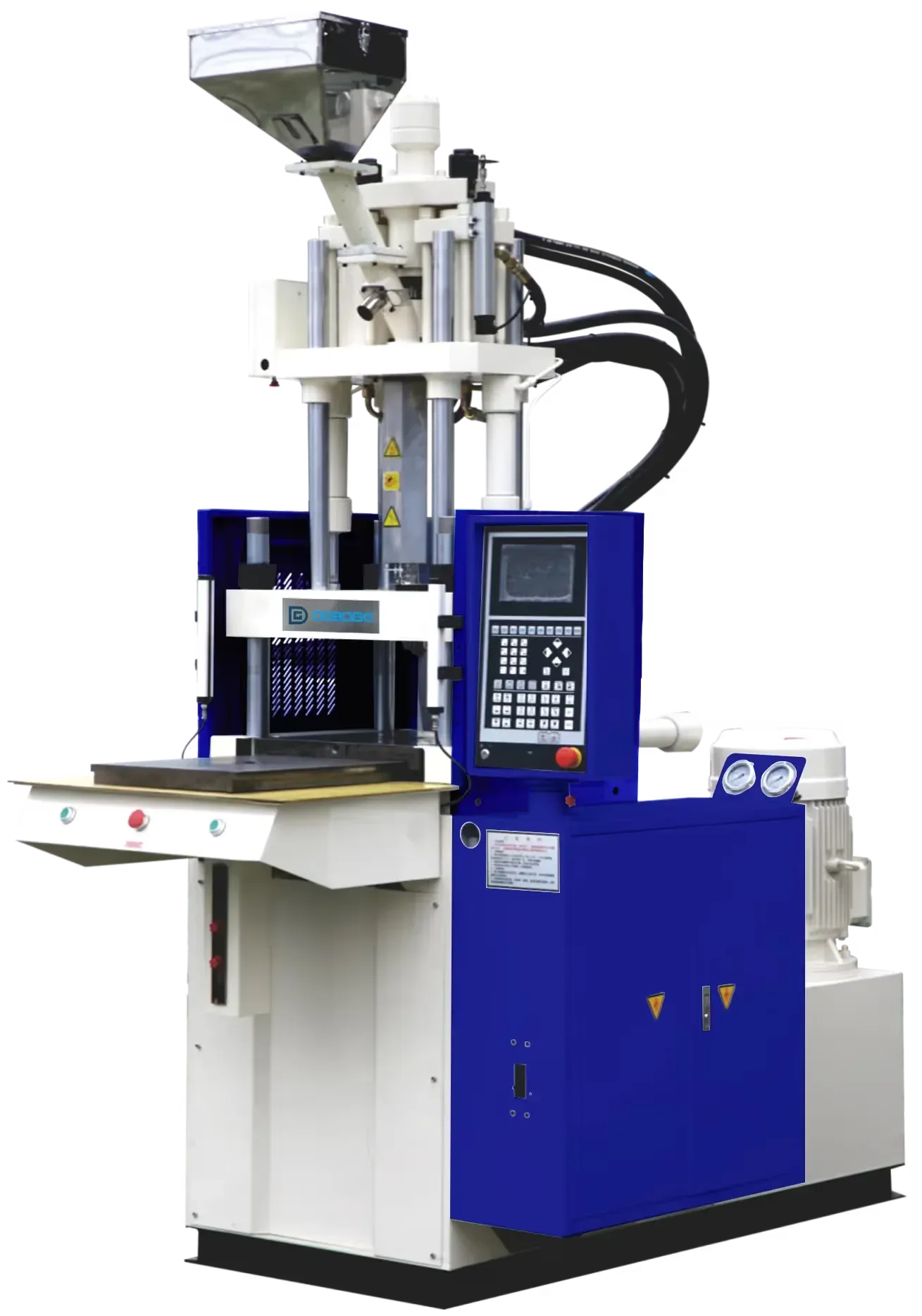
Table configuration
Slide table
Lower mold slides out for accessible part handling. Commonly preferred for flexible silicone parts that need careful manual removal.
View Slide Table Machines →Machine size must be confirmed from project data - Review projected mold area, cavity count, silicone material behavior, feed system, and part handling method.
Materials
Silicone materials for injection molding
Silicone material selection depends on end-use requirements such as temperature resistance, flexibility, sealing behavior, purity requirements, and market compliance documentation. Each grade has specific processing parameters.
LSR (Liquid Silicone Rubber)
Two-part pumpable silicone system. Fast curing, good for automated production. Common for baby care, medical, and consumer products. Requires dedicated feeding and mixing system.
High-Consistency Rubber (HCR)
Solid silicone rubber with higher viscosity than LSR. Different feeding mechanism required. Common for industrial seals, gaskets, and high-durometer applications.
Healthcare Application Silicone
Silicone grades used for healthcare-related components may require tighter material specifications. Product suitability and regulatory documentation must be confirmed per product and market.
Kitchen and Baby Care Silicone
Silicone grades for kitchen, container, or baby feeding products require material certification for the intended market. Processing should be reviewed from the supplier material data and product requirements.
Fluorosilicone
Silicone with improved chemical and fuel resistance. Common for aerospace and automotive seals exposed to fuels and oils. Higher cost, specialized processing.
Electrically Conductive Silicone
Silicone filled with conductive particles for EMI shielding gaskets and electrical contacts. Specialized material with unique processing requirements. Requires mold material and parameter review.
Products
Typical silicone molded products
Silicone is selected when flexibility, temperature resistance, sealing behavior, or chemical stability is required beyond standard thermoplastic behavior.
Seals & gaskets
O-rings, flange gaskets, diaphragm seals - high-temperature and chemical-resistant sealing components.
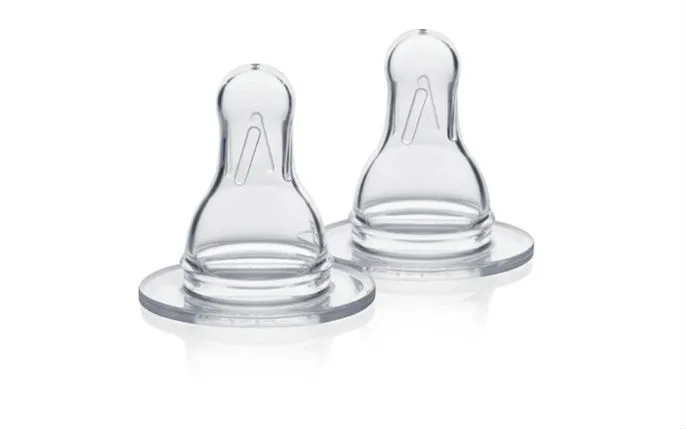
Baby care products
Baby bottle nipples, pacifiers, and teething products require documented silicone grade, mold design review, and market-specific compliance confirmation.
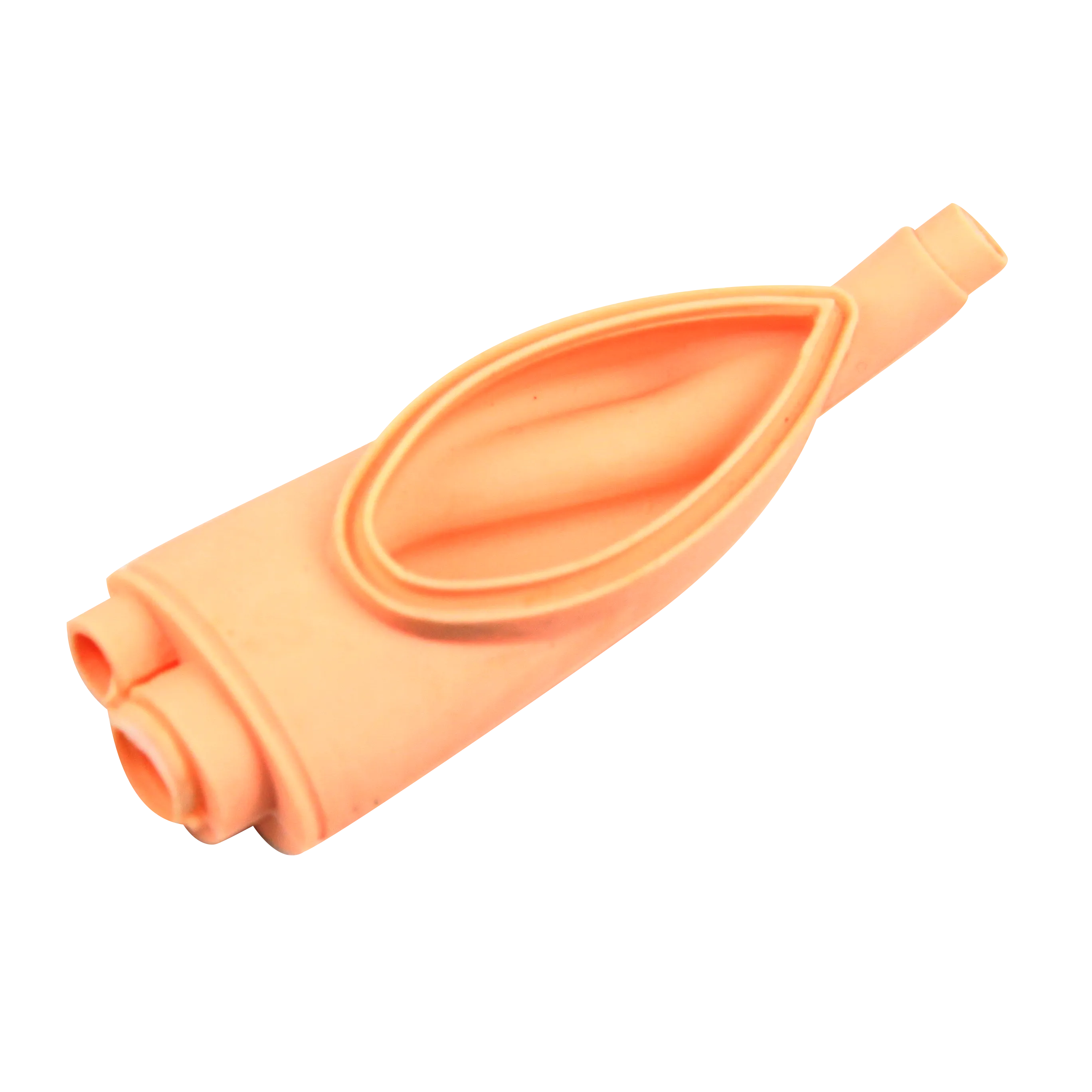
Healthcare-related components
Catheter components, respiratory masks, and seals require project-specific review of material documentation, mold design, and production control requirements.
Flexible consumer goods
Kitchen utensils, bakeware, protective covers - heat-resistant silicone for consumer applications.
Related Machines and Resources
FAQ
LSR / Silicone molding - frequently asked questions
Can vertical machines process LSR (Liquid Silicone Rubber)?
Why use a vertical machine for silicone molding?
How should machine size be reviewed for silicone molding?
Which table configuration is recommended?
What silicone materials can be reviewed?
What are common applications for silicone molding?
How do I discuss machine configuration for silicone molding?
Tell us about your silicone molding application
Discuss machine configuration for your silicone molding project
Send your product details, silicone material specifications, mold dimensions, and production target. The engineering team can review the project data and discuss suitable machine configurations for your silicone application.