
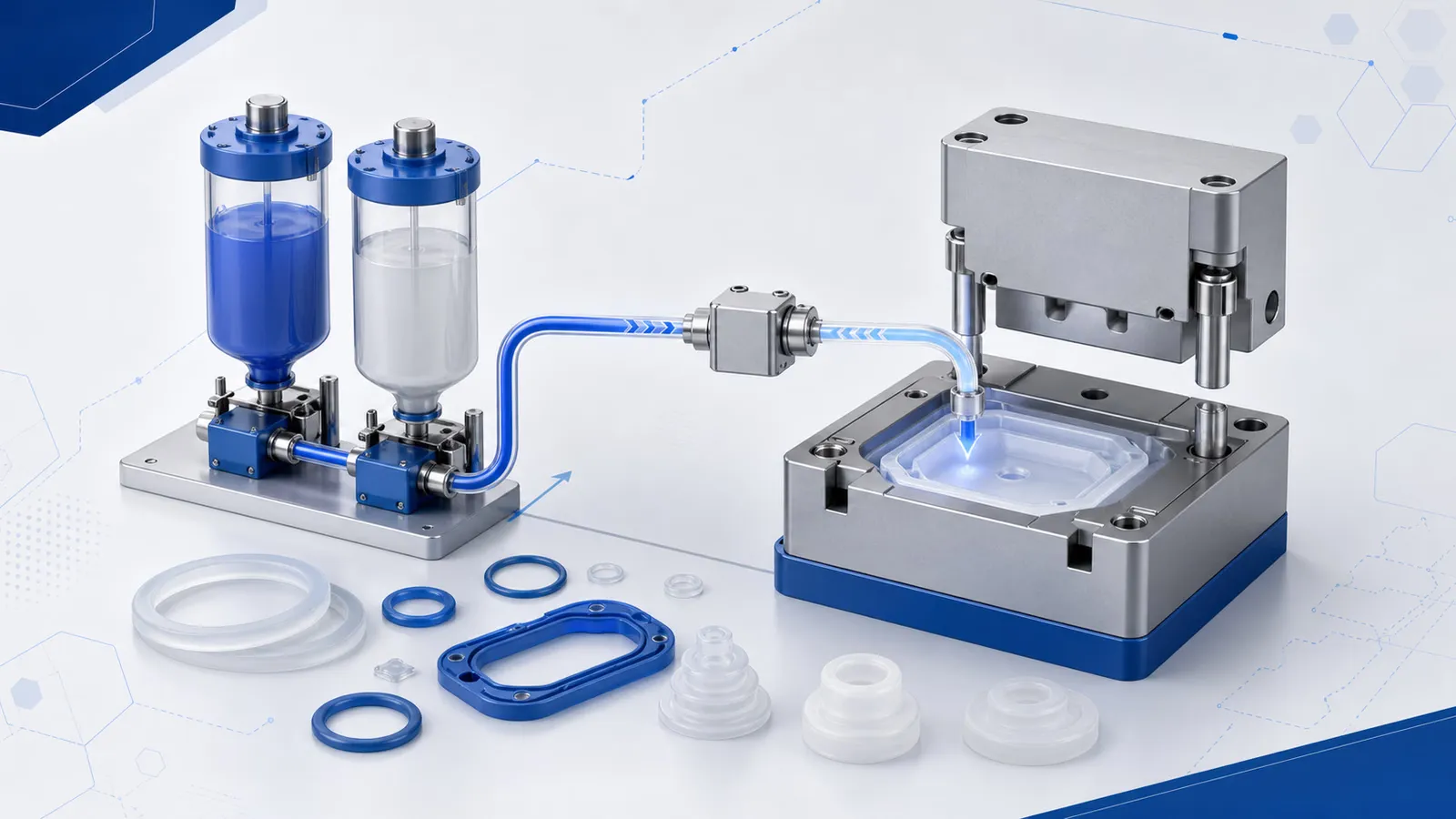
LSR / Silicone Machine Selection Guide
Select a vertical molding machine for LSR and silicone projects by reviewing feeding, dosing, curing, mold access, part removal, automation, and project scope.
2026-07-11 | 9 min read | Category: Choose by Application
LSR and silicone projects often involve material feeding, dosing, curing, mold temperature, part removal, and automation questions that should be reviewed before machine selection is confirmed.
This guide helps organize the discussion around machine scope. It does not confirm medical, food, or other regulated requirements, and it does not replace material or mold engineering review.
Quick Answer
For LSR or silicone projects, prepare material information, part drawings, mold concept, dosing or feeding assumptions, curing and temperature questions, part removal method, automation expectations, and any cleanliness or industry requirements that must be reviewed.
When This Guide Is Most Useful
Use this guide when the project involves LSR, silicone, soft elastomer-like products, seals, electrical components, or molded parts where feeding and removal differ from standard thermoplastic injection.
Selection Path
Clarify material and feeding scope
LSR and silicone projects may require dosing, mixing, or auxiliary equipment discussions. Share material information and any supplier recommendations instead of assuming a machine-only scope.
Review mold and curing requirements
Curing, temperature control, and mold design are central to LSR and silicone review. The machine discussion should include the mold concept and process expectations.
Plan part removal
Soft parts can be difficult to remove, inspect, or collect. Manual removal, assisted removal, or automation should be reviewed with the table and access plan.
Confirm project responsibility boundaries
Some LSR projects involve dosing systems, molds, auxiliary equipment, automation, or clean production requirements. Clarify which items are part of Deboge review and which require specialist confirmation.
Decision Points to Review
| Review point | Why it matters | What to prepare |
|---|---|---|
| Material and feeding | Dosing and mixing questions can affect machine scope. | Material data, supplier notes, and feeding expectations. |
| Mold and curing | Curing behavior affects cycle planning and mold review. | Mold concept, temperature needs, and process assumptions. |
| Part removal | Flexible parts may need special removal or collection planning. | Removal method, part geometry, and automation expectation. |
| Industry requirements | Medical or regulated applications need clear responsibility review. | Required standards or documentation provided by the project team. |
How to Compare Common Options
| Option | When it may fit | What to verify |
|---|---|---|
| Custom vertical molding solution | Feeding, curing, and auxiliary scope need project review. | Which equipment is included in the machine scope. |
| Automation-ready structure | Part removal or production flow may need robots or fixtures. | Access, signals, safety, and part presentation. |
| Manual or assisted process | Early production volume does not justify full automation. | How removal and inspection will be handled consistently. |
Information to Prepare Before Asking for a Recommendation
| Information | Why Deboge needs it |
|---|---|
| Material data sheet | LSR and silicone behavior should not be guessed. |
| Mold concept | Curing and removal depend heavily on mold design. |
| Part geometry | Soft parts may create removal and handling issues. |
| Auxiliary equipment plan | Dosing, mixing, and automation boundaries need clear scope. |
Common Mistakes to Avoid
- Treating LSR or silicone as a standard thermoplastic project.
- Leaving dosing and auxiliary equipment outside the early discussion.
- Ignoring soft-part removal and collection.
- Assuming regulated application requirements without documentation.
How This Guide Connects to Other Resources
Use this guide with the LSR / silicone materials section and the automation-ready guide. For practical question framing, the related blog article can help prepare the first inquiry.
Related Reading
- LSR / Silicone Molding Application
- What Is LSR / Silicone Molding?
- LSR / Silicone Materials
- Automation-ready Machine Selection Guide
FAQ
Is LSR machine selection only about the injection machine?
No. LSR projects may involve dosing, mixing, feeding, mold temperature, curing, part removal, and automation scope.
Can this guide confirm medical or food-grade requirements?
No. Regulated requirements must be confirmed with project documentation, engineering review, and the appropriate responsible parties.
Why does part removal matter for silicone projects?
Soft or flexible parts can deform, stick, or require careful handling, so removal and collection should be reviewed early.
What should be sent for LSR or silicone machine review?
Send part drawings, material data, mold concept, dosing or feeding assumptions, removal method, automation expectations, and industry requirements if applicable.
Related Reading
Ready to confirm a machine selection?
Send your product details, mold specs, and production requirements. Deboge engineering will review and recommend a specific configuration.