
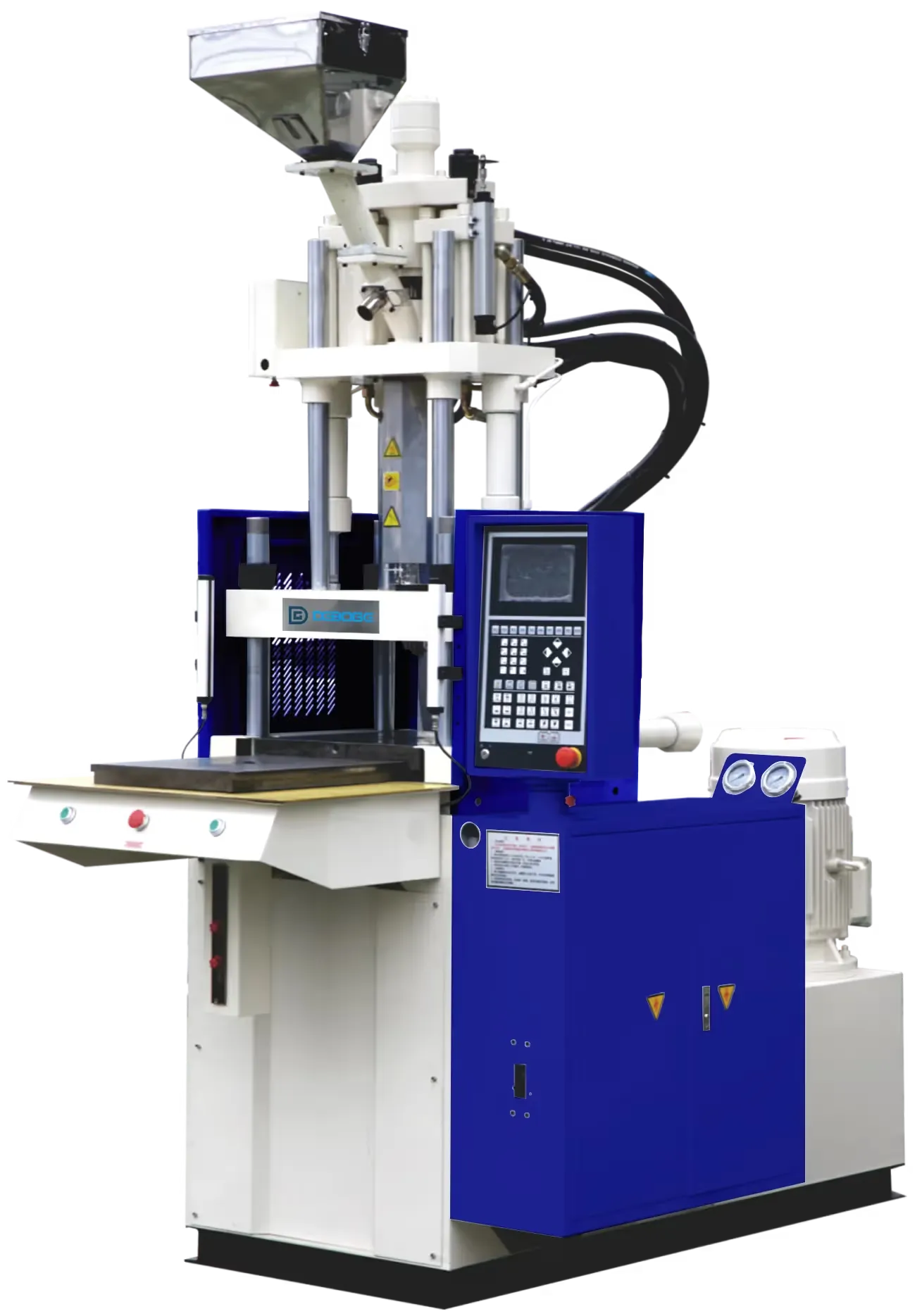
Vertical Injection Molding Machine Selection: Step-by-Step Guide
Choose a vertical injection molding machine by reviewing product details, inserts, mold access, table workflow, material, and project scope.
2026-07-11 | 10 min read | Category: Start Here
Choosing a vertical injection molding machine is a sequence of engineering decisions, not a single tonnage question. The product, insert or substrate, mold concept, loading method, material behavior, and production rhythm all affect the final machine path.
Use this guide when you need a clear way to organize project information before discussing a Deboge recommendation. It helps separate confirmed requirements from assumptions so the conversation can move toward a suitable structure, table configuration, and review package.
Quick Answer
Start with the molded part and loading task, then review mold access, table configuration, machine structure, material process, automation plan, and supplier confirmation. Final sizing and configuration still need project-specific review using drawings, mold information, material data, and production targets.
When This Guide Is Most Useful
This guide is most useful before requesting a quote, before comparing several machine structures, or when internal teams need one common checklist for engineering, production, and purchasing discussions. It is also useful when a project is currently described only by a general phrase such as insert molding, cable overmolding, or thermoset molding.
Selection Path
Start from the molded part
Collect the part drawing, sample photos, molded area, insert or substrate information, material family, and appearance or functional requirements. The machine discussion should follow the product, not a preferred machine label.
Review the loading and removal workflow
Many vertical molding projects depend on how inserts, cables, terminals, or substrates are placed before each cycle. Loading time, access direction, fixture support, operator movement, and part removal can matter as much as the clamp and injection units.
Select the table and structure after the workflow is clear
Fixed platen, slide table, rotary table, tie-bar-less clamping, and horizontal injection structures solve different access and workflow problems. They should be reviewed after the mold concept and loading sequence are understood.
Confirm material and future automation questions
Thermoplastic, soft material, thermoset, and LSR projects can raise different questions about feeding, heating, curing, part removal, and auxiliary equipment. Future automation should also be discussed early enough that the selected machine does not block realistic workcell changes.
Decision Points to Review
| Review point | Why it matters | What to prepare |
|---|---|---|
| Product and molded area | The part shape and projected area influence clamp and mold review. | Drawings, photos, sample parts, and key dimensions. |
| Insert or substrate loading | Loading may drive table choice, mold access, and automation planning. | Insert count, position, handling method, and cycle expectations. |
| Material and process type | Different materials raise different feeding, temperature, curing, or removal questions. | Material name, data sheet, and known process limits. |
| Production rhythm | Output goals and loading time affect whether station separation is valuable. | Target volume, shift pattern, and manual or automated workflow assumptions. |
How to Compare Common Options
| Option | When it may fit | What to verify |
|---|---|---|
| Fixed platen | Loading and removal are simple in the main mold area. | Operator access, mold height, and part removal clearance. |
| Slide table | The lower mold area should move outward for easier loading or checking. | Slide stroke, fixture height, and loading position. |
| Rotary table | Repeated station movement can help separate loading, molding, cooling, and unloading. | Station sequence, indexing space, and operator or robot path. |
| Tie-bar-less or horizontal injection structure | Side access, cable routing, large inserts, or gate direction need special review. | Mold concept, access direction, and injection direction requirements. |
Information to Prepare Before Asking for a Recommendation
| Information | Why Deboge needs it |
|---|---|
| Part drawing or sample photos | They show the real shape, insert position, and molded area. |
| Mold concept or mold data | Machine review depends on mold size, access, gate direction, and movement clearance. |
| Material information | Material behavior affects injection, heating, curing, feeding, and removal questions. |
| Loading and removal plan | The table and machine structure should support the full workflow, not only the molding step. |
Common Mistakes to Avoid
- Choosing a machine name before defining the loading workflow.
- Treating vertical molding as if injection direction and clamping direction are always the same topic.
- Ignoring part removal until the mold and table choice are already fixed.
- Requesting a quote without drawings, material information, or mold assumptions.
How This Guide Connects to Other Resources
Use the checklist and preparation guide when you need to collect project data. Use the table configuration and DA / DC / DK guides when the main question becomes structure comparison. For process-specific questions, move to the insert molding, overmolding, thermoset, LSR, or cable connector guides.
Related Reading
- Machine Selection Checklist
- What Information to Prepare Before Machine Selection
- Fixed Platen vs Slide Table vs Rotary Table Guide
- What Is Vertical Injection Molding?
FAQ
What is the first step in vertical injection molding machine selection?
Start with the molded part, insert or substrate, material, mold concept, and loading method. These details shape the machine discussion before tonnage or table type is confirmed.
Can Deboge recommend a machine from only a product photo?
A photo can start the discussion, but drawings, mold information, material details, loading method, and production targets are needed before a reliable recommendation can be made.
Should table configuration be chosen before machine structure?
The table and structure should be reviewed together after the workflow is understood. Loading access, part removal, injection direction, and future automation all affect the decision.
Does this guide replace engineering review?
No. It helps prepare the discussion, but final machine selection should be confirmed through project-specific engineering review.
Related Reading
Ready to confirm a machine selection?
Send your product details, mold specs, and production requirements. Deboge engineering will review and recommend a specific configuration.