
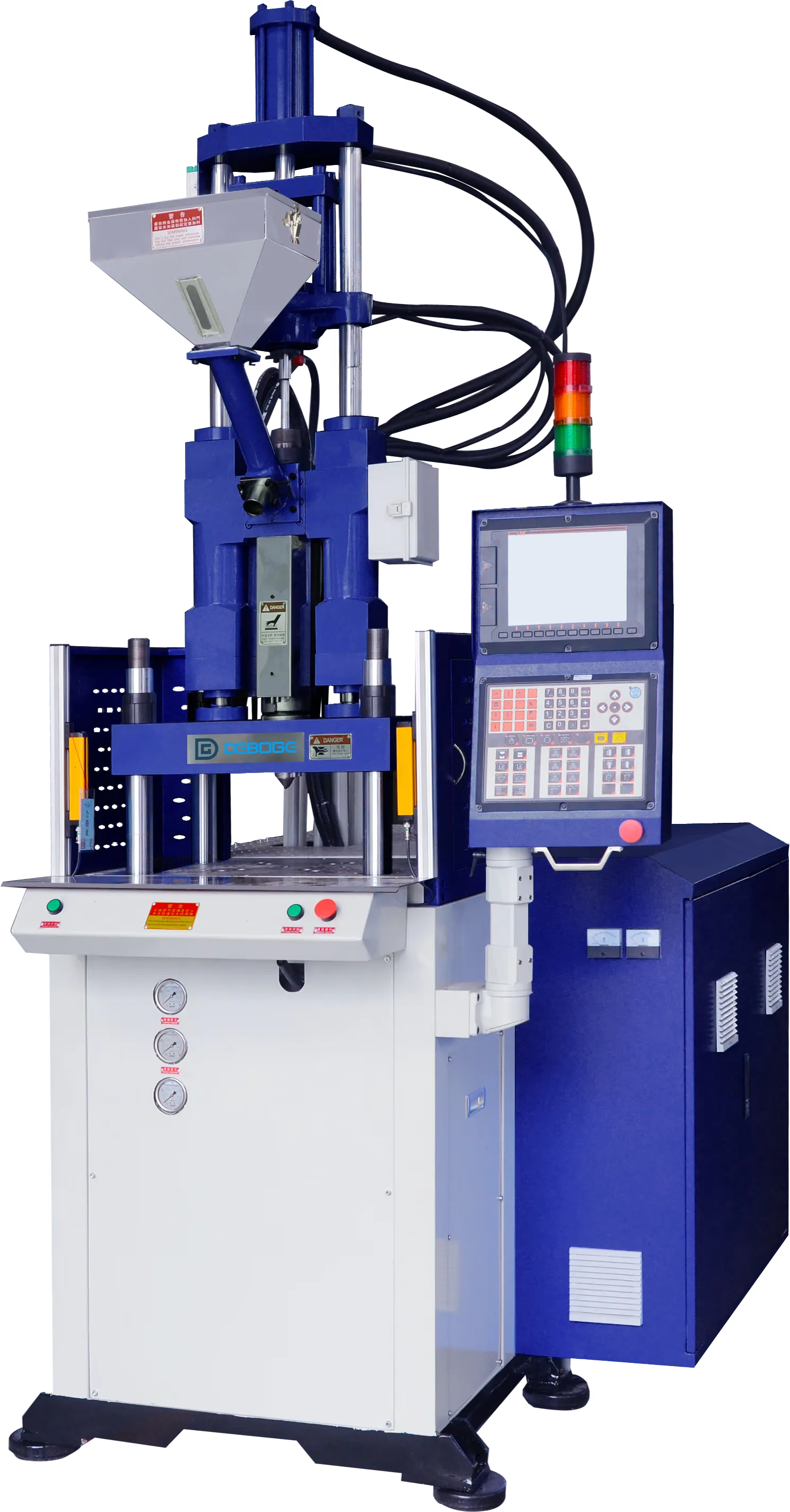
How Does a Fixed Platen Structure Work?
Learn how a fixed platen vertical machine structure works, when its simple mold area can be enough, and when slide table or rotary table access should be reviewed.
2026-07-11 | 8 min read | Category: Machine Structure Concepts
Quick Answer
A fixed platen structure keeps the lower mold position fixed during loading, molding, and removal. The operator or automation system works around the same mold position.
When is the simpler fixed platen structure a good starting point? Start with the workflow, not only the machine name. The term helps a project team discuss the part, material, mold, loading method, removal method, and production target with the same meaning.
Use this page as a concept reference, not as a final machine specification, mold design rule, or processing parameter recommendation.
What Fixed Platen Structure Means in a Molding Project
Fixed platen machines are often discussed when the product can be loaded and removed without moving the mold base to another station. The structure is direct and compact compared with table-moving layouts. It can work well when inserts are easy to place, the operator has enough visibility, and part removal does not require a separate loading position. The simplicity is valuable, but only when it matches the real workflow around the mold.
Use the fixed platen concept to check whether one molding position gives enough access for loading, inspection, injection, cooling or curing, and part removal. If the work around the mold is simple and direct, a fixed position may be practical; if access is tight, table movement should be reviewed.
Why It Matters for Machine Selection
Fixed platen should be reviewed against insert reach distance, hand clearance, fixture height, part removal path, safety guarding, and output expectation. If loading becomes slow or awkward, a different table configuration may be more practical.
| Review point | Why it matters |
|---|---|
| Loading access | Checks whether the operator can place inserts safely and repeatably in the fixed mold area. |
| Mold size and height | Affects visibility, reach, and whether finished parts can be removed cleanly. |
| Cycle rhythm | Loading and molding happen around one position, so loading time directly affects cycle efficiency. |
| Automation space | Robot or fixture approach may be harder if all work must happen inside one fixed area. |
How to Compare Related Options
The best option depends on the actual part and production method. Use the comparison below as a review map, then confirm the project details with drawings, samples, material information, and mold concept.
| Concept | Practical meaning |
|---|---|
| Fixed platen | Simple, direct structure for straightforward loading and removal. |
| Single slide table | Moves one loading station out from the clamping area. |
| Double slide table | Allows alternating loading positions for some workflows. |
| Rotary table | Uses indexed stations when repeated loading rhythm is important. |
What to Check Before Requesting a Recommendation
Before asking Deboge to recommend a machine structure, collect the information that explains the real production task. Clear project evidence is more useful than a broad keyword.
| Review point | Why it matters |
|---|---|
| Loading video or sketch | Shows how inserts are placed and how hands or fixtures move around the mold. |
| Part and insert details | Shows whether the product is easy to position and remove. |
| Mold dimensions if known | Helps review open daylight, mold height, and reachable area. |
| Production target | Clarifies whether simple access can still support the required output. |
Common Mistakes to Avoid
- Choosing fixed platen only because the part looks simple.
- Ignoring operator reach and visibility during repeated loading.
- Forgetting that loading time may become the real bottleneck.
- Planning automation later without checking whether a fixed position leaves enough access.
How This Connects to Other Resource Pages
Knowledge Base pages explain the concept. Machine pages show available machine structure directions. Guides help compare options when a project is closer to inquiry. Troubleshooting and material pages help when an existing process already has symptoms.
FAQ
Is fixed platen always the lowest-cost choice?
Cost should not be the only selection factor. Fixed platen is suitable when the loading and removal workflow is practical in one fixed mold position.
When should slide table be reviewed instead?
Review slide table when the operator needs clearer loading access, safer positioning outside the clamp area, or more room for fixtures.
Can fixed platen work for insert molding?
Yes, if inserts can be loaded repeatably and removed safely in the fixed mold area. The actual insert and mold layout must be reviewed.
What information helps decide if fixed platen is enough?
Send product photos, insert details, mold concept, loading method, removal method, and target production rhythm.
Related Reading
Need technical information specific to your application?
Deboge engineering can answer your machine structure, configuration, and process questions directly.